
From one patient's recovery to a method now used by clinics, clinicians, and patients worldwide.
In 2008, Karen Snyder broke her leg playing hockey.
What followed was not recovery. It was months of land based physiotherapy that progressed too slowly, exercises that felt disconnected from her actual life, progress measured in inches when she needed it measured in miles.
She was not a stranger to movement. She had spent years building aquatic programs, training teams, working with bodies in motion. And still, land based therapy was not the answer.
If a system built specifically to help her could not reach her, the answer had to be somewhere else.
That question did not stay rhetorical for long.
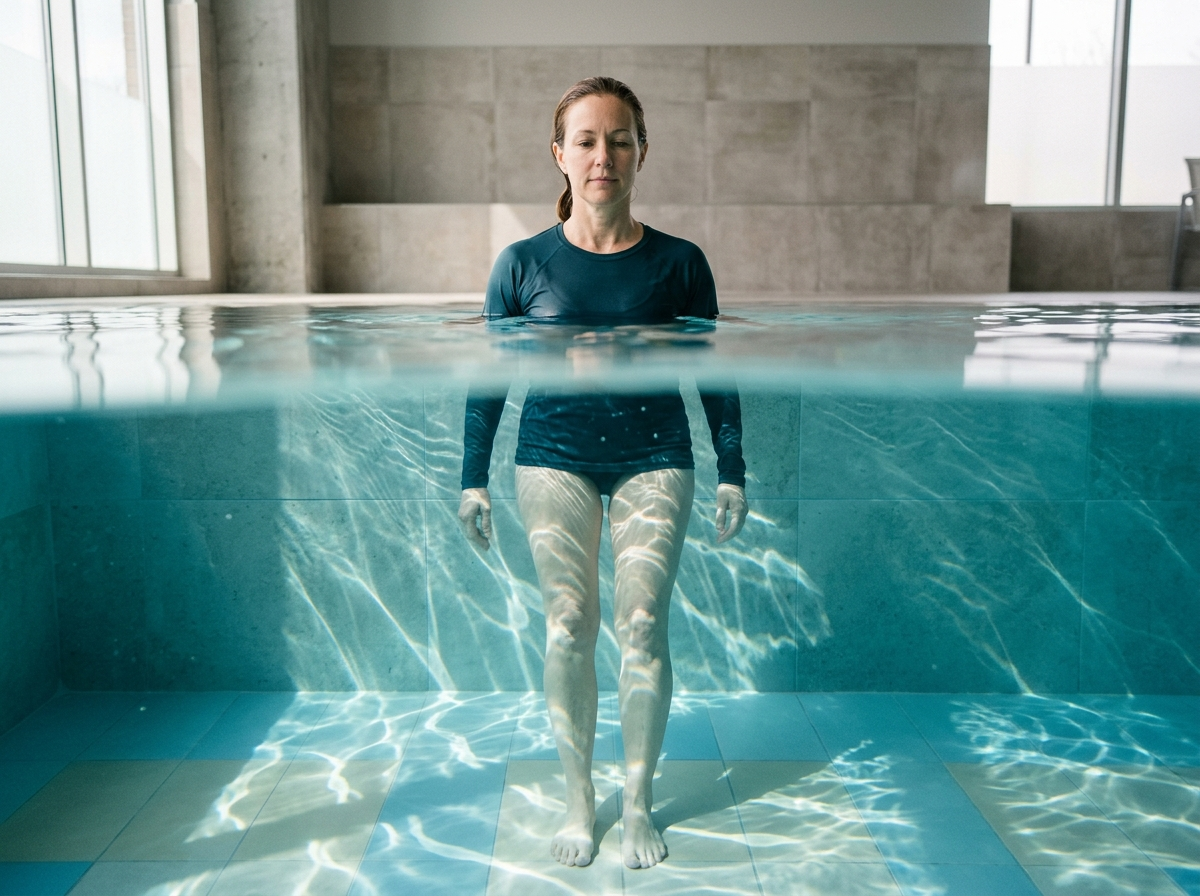
Karen got in the water.
Almost immediately, something shifted. Movement that felt impossible on land became manageable in the pool. Pain that had settled into her leg for months started to ease. Progress, the kind she had stopped expecting, returned.
The reason was not mysterious. It was physics.
Standing chest deep, the body carries only a fraction of its own weight. Water removes what land cannot remove, the impact, the bracing, the fear of falling. Then it gives something back that land never could, resistance from every direction at once, building strength without ever asking the joints to absorb it.
Water was not a gentler version of exercise. It was a more intelligent one.
Karen left that pool with more than relief. She left with a conviction that would define the next two decades: water can do what land cannot, and almost no one was using it that way.
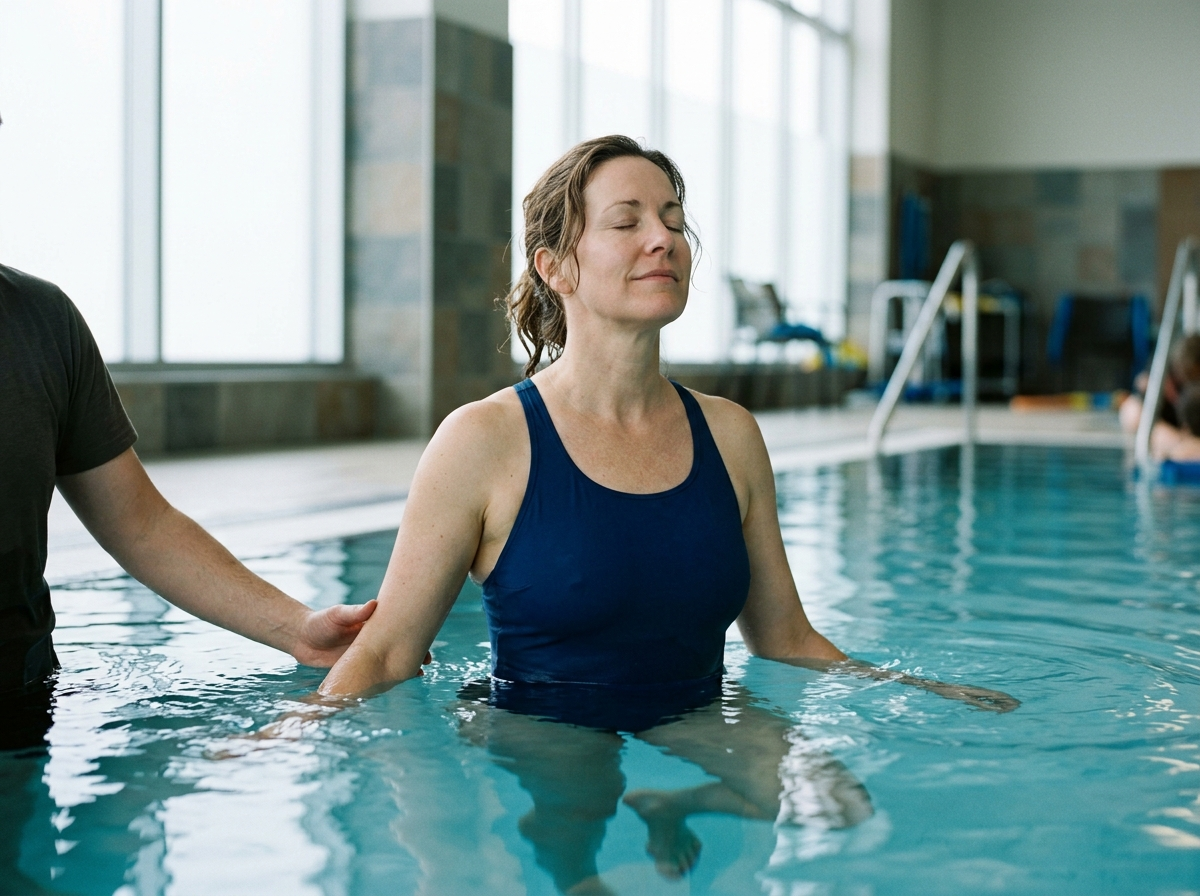
Karen's relationship with water did not begin in 2008. It began decades earlier.
In 1981, she established the Adapted Aquatics Program for the Canadian Red Cross in New Brunswick, work that put her in the water with bodies of every age and ability long before her own injury gave her a personal stake in it.
Outside the water, Karen was building a different kind of track record. She built and ran multiple ventures, including Wise Kids and Business in a Box, and worked as a Senior Business Consultant at the Ottawa Carleton Entrepreneurship Centre, helping thousands of other founders build scalable systems of their own.
She was not building a career alone, either. In 1982, Irene Hammerich opened the Alumni Aquatic Centre at St. Francis Xavier University, then went on to serve as Aquatics Director and Physical Education Director at the North York YMCA.
By the time Karen broke her leg in 2008, between them they already carried decades of aquatic program building, plus everything Karen had learned building businesses of her own.
Today, that partnership has outlasted any single project. Karen and Irene both serve as clinic coaches for Clinic Accelerator, a national association, working directly with clinics across Canada.
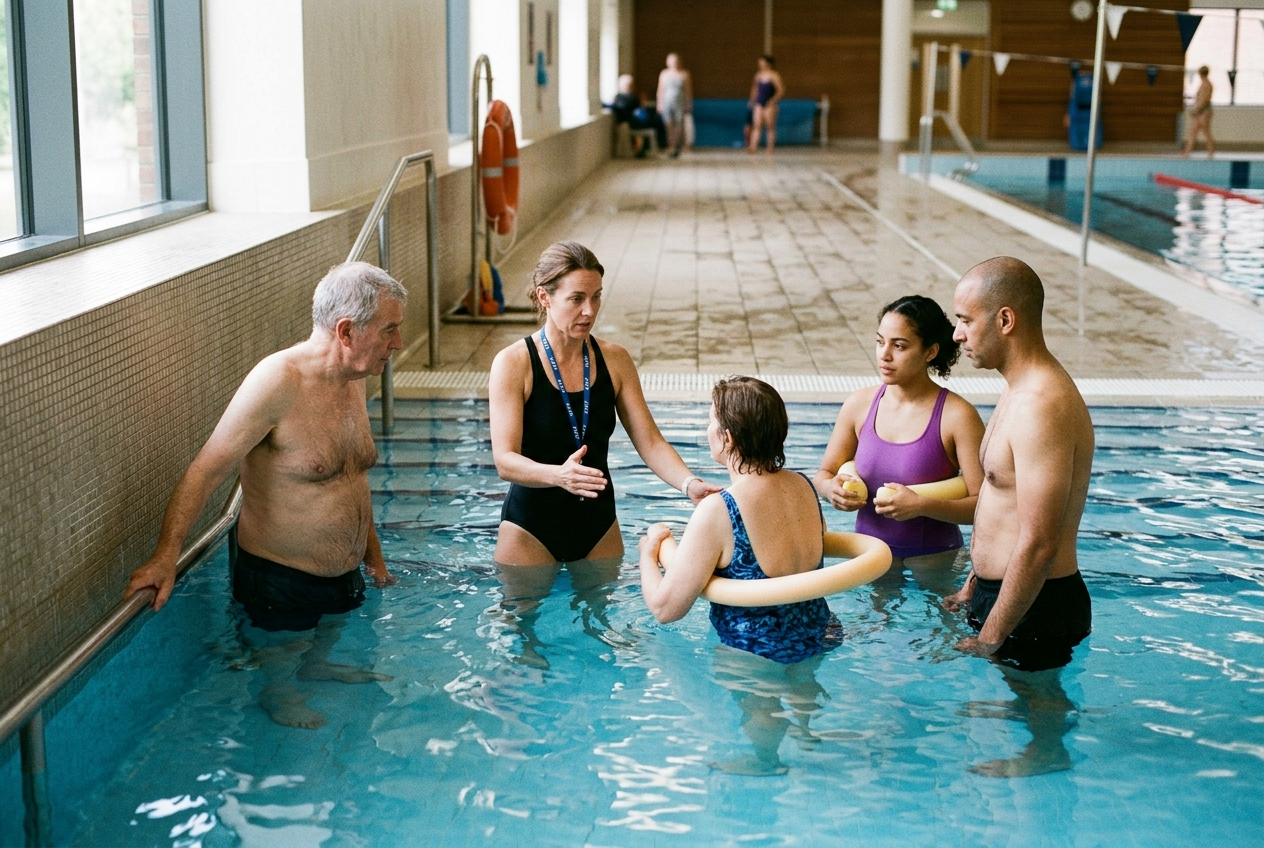
In November 2013, Karen and Irene co-founded LiquidGym.
What they built was not a pool with a gym attached. It was a structured clinical environment, an 8,000 square foot facility designed around a single idea: that water, calibrated correctly, is not a backup plan. It is the answer.
Over the next twelve years, that facility became a proving ground. More than 10,000 patients moved through it, ranging in age from 6 months to 102 years, treated for conditions spanning the full range of what a body can go through. More than 650 doctors came to refer patients directly, not because LiquidGym asked, but because the results spoke for themselves.
Somewhere in those twelve years, what started as Karen's personal answer to her own injury became something else entirely: a decoded method, repeatable, teachable, and proven, ten thousand patients over.
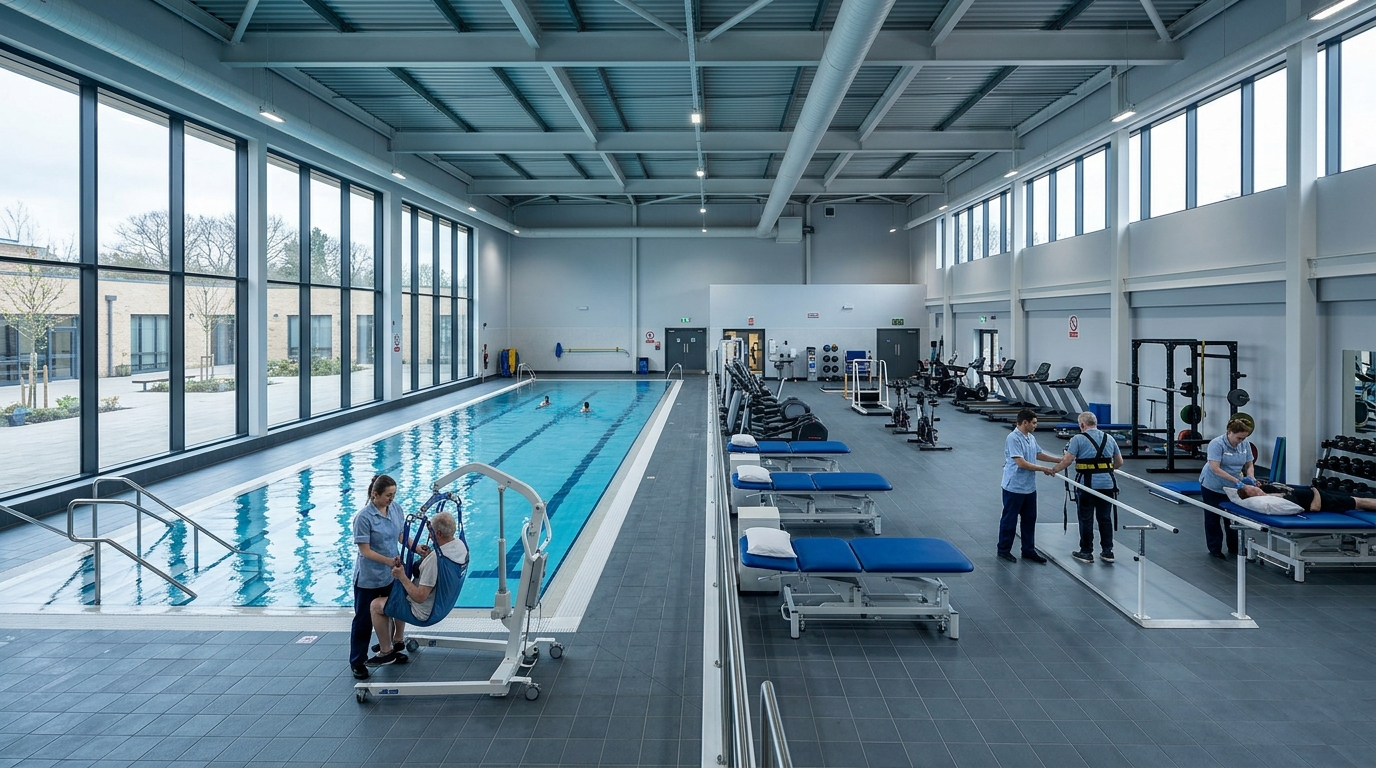
Every story reaches a chapter it did not choose. This is LiquidGym Therapy and Training Centre’s next one.
On November 26, 2025, a water main break flooded the facility.
The damage was severe enough that rebuilding was never going to be a simple decision. The original buildout had cost 1.5 million dollars. LiquidGym has pivoted to a new dedicated business model as it continues to serve its patient community.
As LiquidGym plans its rebuild, it currently operates with a dedicated assessment space, paired with a pool rental model, partnerships with community pools, private swim schools, and retirement residences, so that patients in Ottawa are never left without somewhere to go. The model looks different. The standard of care does not.
Globally, it meant something bigger. The flood forced a question that twelve years of success had never required anyone to ask, what if LiquidGym's real value was never the building at all. What if it was always the method.
That question is the reason ATI 360™, ATI Education and Certification, and WEI™ exist today, three ways of taking everything decoded inside one facility and making it available to clinics, clinicians, and patients who will never set foot in Ottawa.
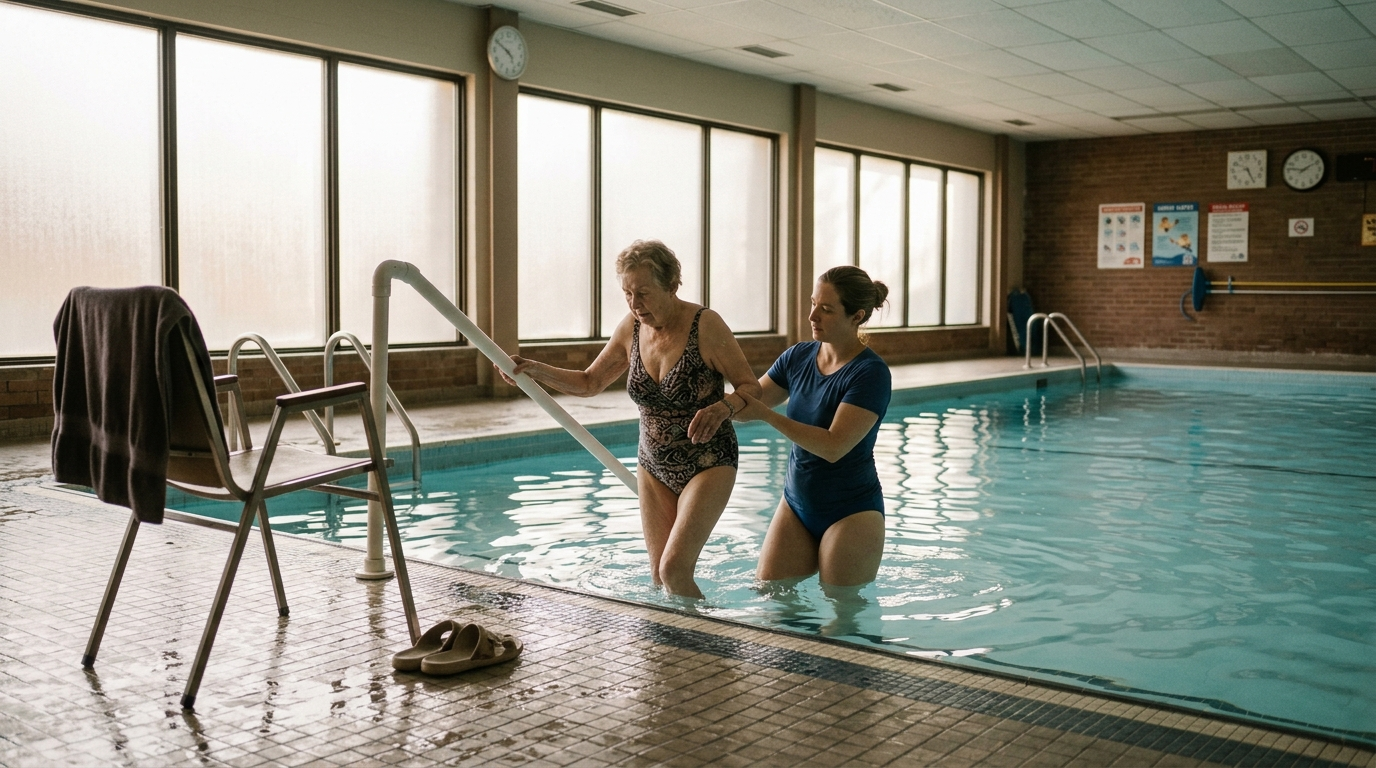
None of this was built in theory.
What carried it, day to day, was never one person's instinct. It was a standard the whole team held to, three things, specifically, that never changed across twelve years and ten thousand patients.
No single therapist ever worked alone on a case. Physiotherapists, kinesiologists, and athletic therapists treated side by side, by design, because no single discipline sees the whole picture of a body in recovery.
A weekend athlete and a stroke survivor received the same rigor. Not the same exercises, the same standard. No patient was ever treated as a lesser case.
The method was never allowed to stay still. What FMAT™ looks like today is not what it looked like a decade ago, because the team kept refining it against real outcomes instead of defending what it had already built.
Every protocol carries the oversight of a dedicated clinical team, treating real patients, every day, for over a decade.
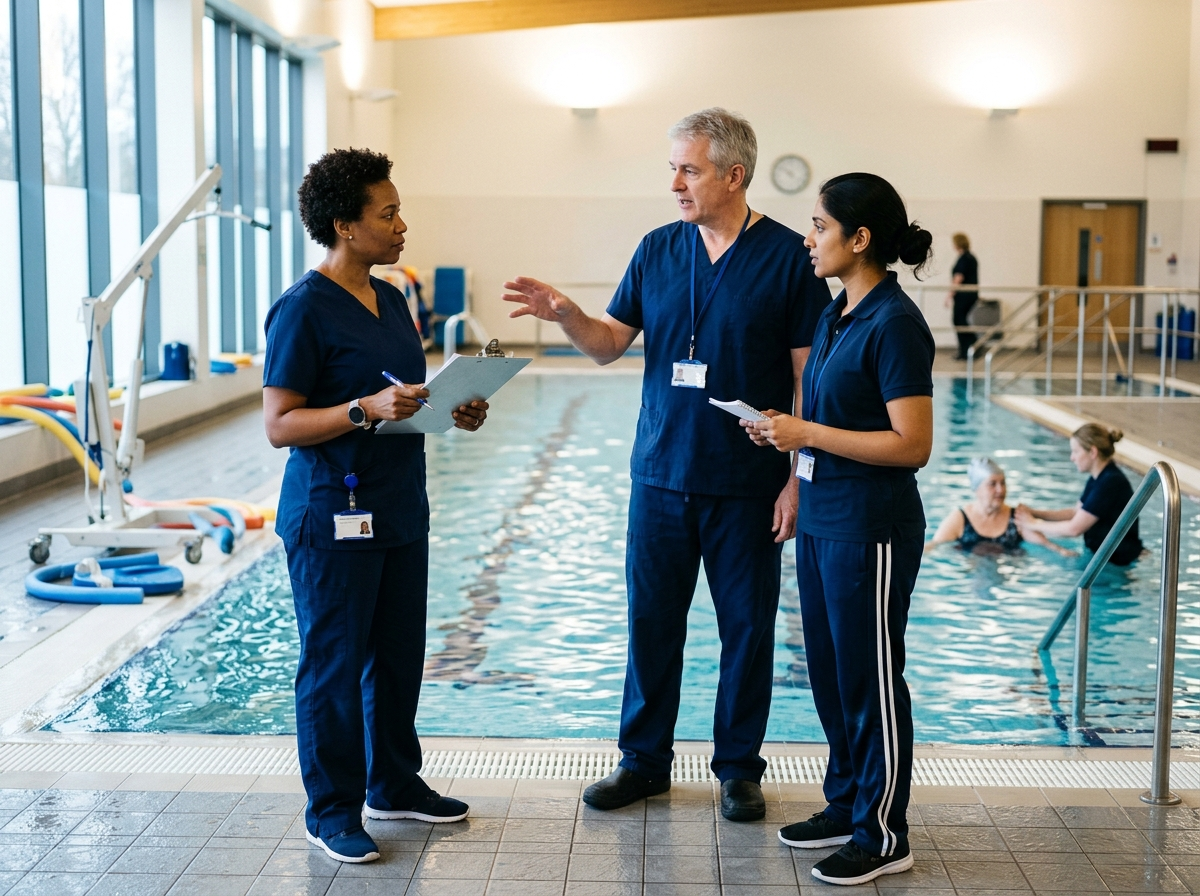
“It's not aquafit. Not at all. It's exactly the therapy I need.”
That is how one patient described it, preparing for a knee replacement she was afraid she would not recover from. Her words say more than any claim we could make ourselves.
The same story has reached beyond Ottawa, featured on CBC and CTV, told through the patients who lived it.
This is where the story stood still for twelve years, inside one building, in one city.
It does not stand still anymore.
The story doesn't split into three identical doors. It splits because the people reading this aren't the same person.
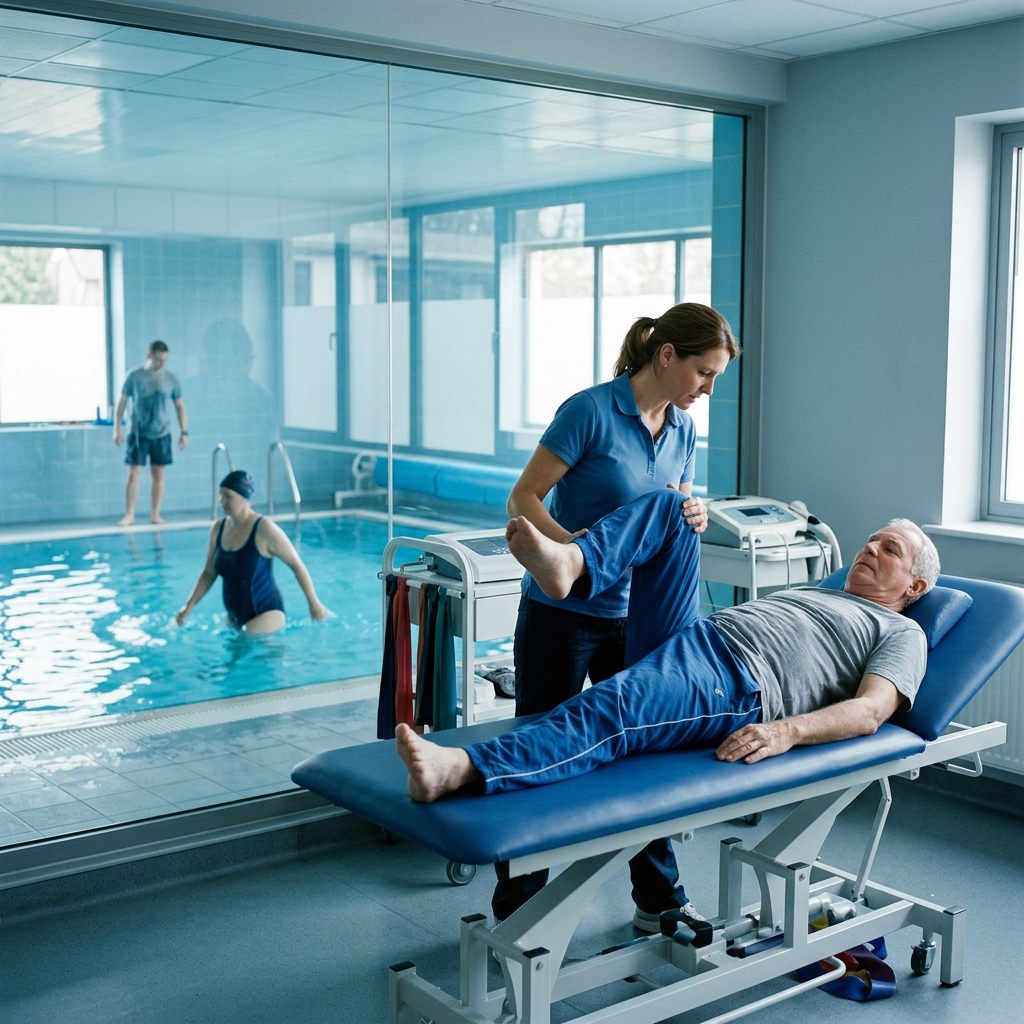
The story doesn't split into three identical doors. It splits because the people reading this aren't the same person.
If you're the patient Karen once was, after her own therapy, WEI™ was the next step: that same guided water exercise on your phone, on your tablet, your pool, your schedule.
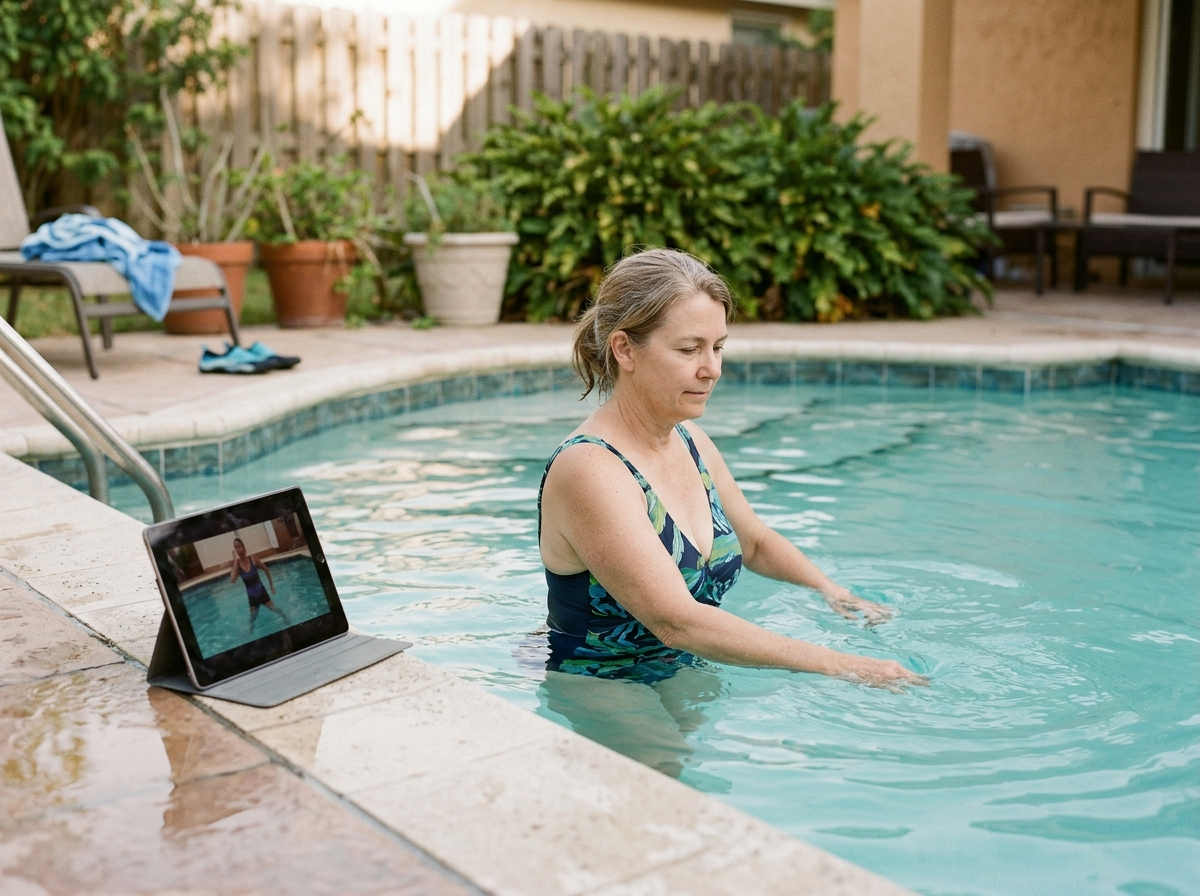 Water Exercise Institute (WEI™)Start Moving
If you're the clinician seeing where Karen once stood, certain water could help but unsure exactly how, ATI Education and Certification hands you FMAT™ itself, the method this whole story exists to decode.
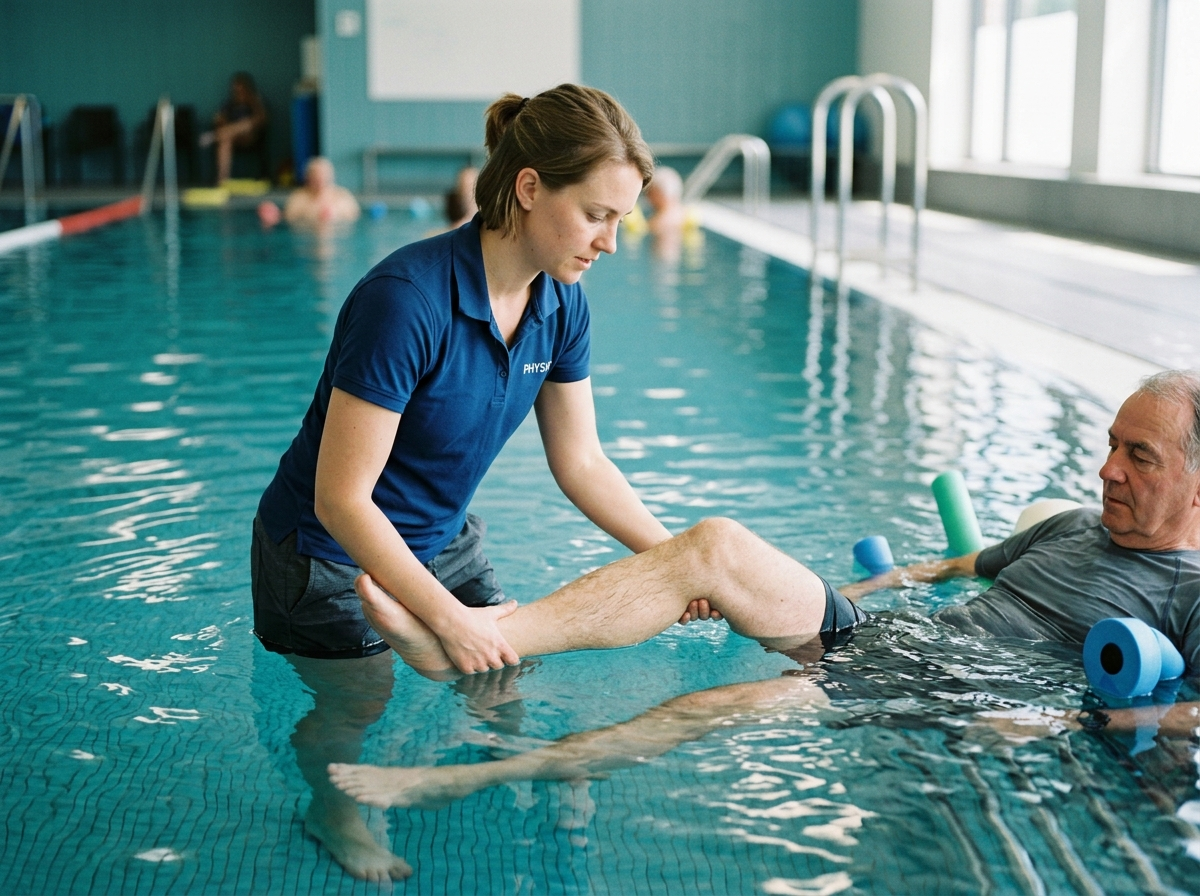 ATI Education & CertificationGet Certified
If you're the clinic owner who assumed no pool meant no aquatic therapy, ATI 360™ is the answer to that exact assumption.
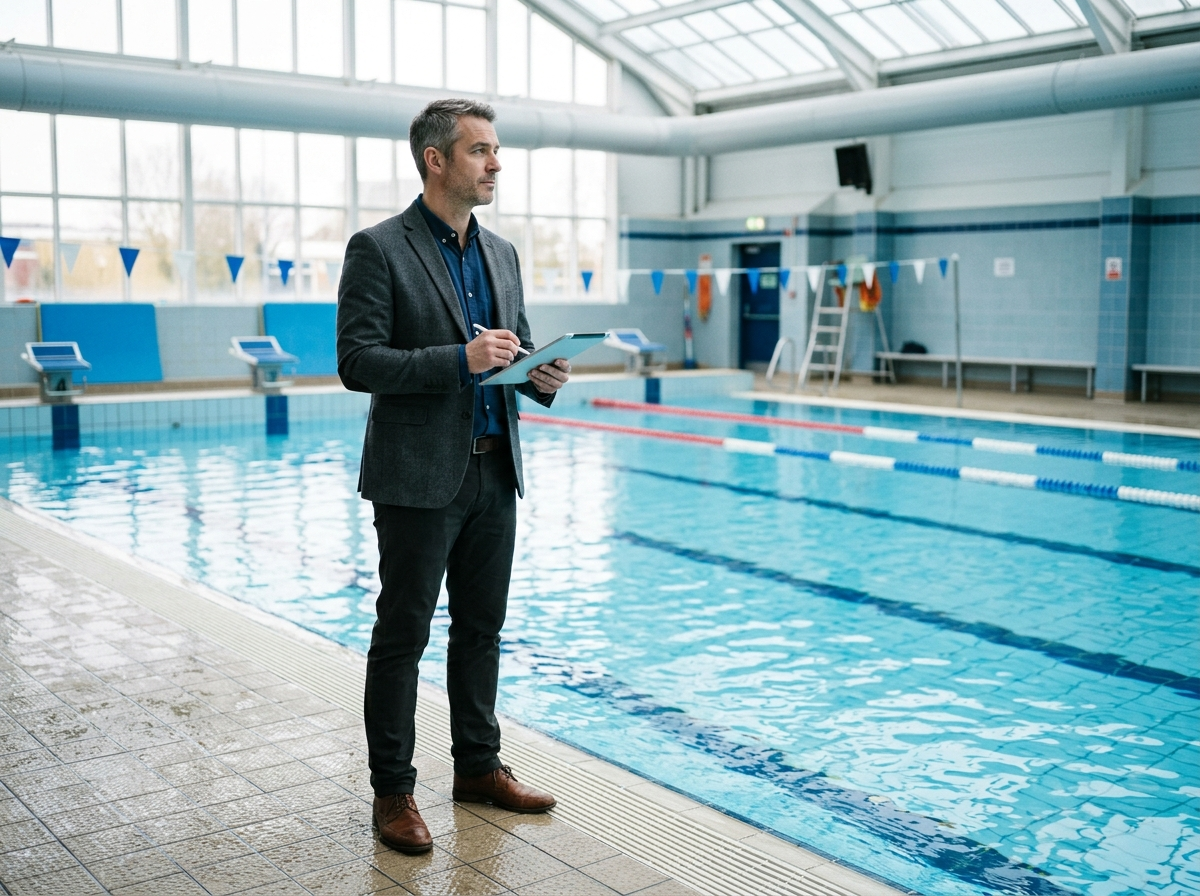 ATI 360™Build Your Program
That is the shift LiquidGym built this hub to deliver.
For the clinics that lead, the clinicians who care, and the patients who benefit.
The path is decoded. Now it is yours to choose.