

How many times have you been unsure whether to put heat or ice on an injury? It is one of the questions we are asked most often.
What ice and heat actually do
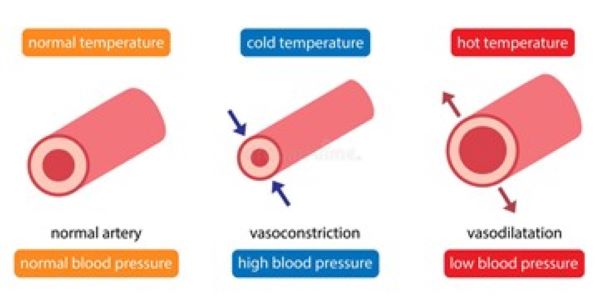
The body's main response to ice is a shrinking — vasoconstriction — of the vessels in the skin. Heat causes the opposite: an opening, or vasodilation.

Precautions — avoid the following
- Applying either over metal or jewellery
- Over areas where sensation is altered
- Heat on open wounds or sores
- Directly over bony bumps
- Heat on an acute injury or active inflammation
- Either, where circulation is impaired
How to apply them
- Ice for 10 to 20 minutes.
- Use compression and elevation alongside ice for a swollen limb.
- Heat for 15 to 30 minutes.
- Rewarming takes twice as long as cooling — 15 minutes on means 30 minutes rewarming.
- Put a damp towel between your skin and the pack, to avoid frostbite or burns.


Questions
Do you wake up stiff in the morning and loosen up as you move? Heat will work best for you.
Is there noticeable swelling around the pain, and does the area feel warm to the touch? Ice is best.
Can I use both? Yes. Heat on a stiff joint before activity helps loosen it and increases range of motion. Ice afterwards helps head off inflammation and soreness.
In short
Heat is generally best for people with arthritis. Joint stiffness causes pain with movement, and heat — or appropriate activity — increases circulation to the joint, improving range of motion and reducing pain.
If you have active swelling and pain with movement, ice will reduce the inflammation and bring the pain down. Do not ice before activity.
Not sure which one your injury needs? Call LiquidGym at 613-820-8228.