

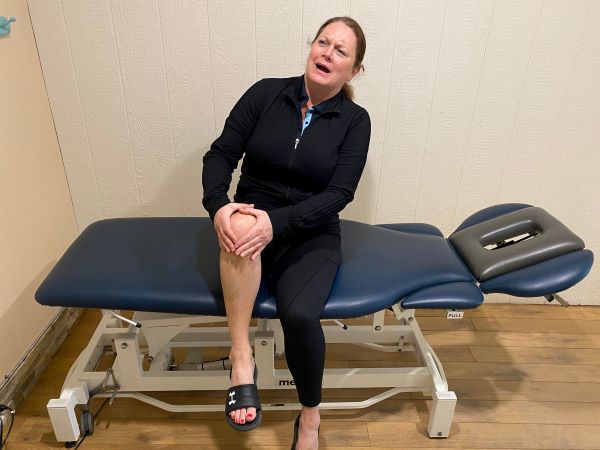
Osteoarthritis is common in Canada and affects people of every age — roughly 3.9 million Canadians aged 20 and over live with a diagnosis. Many do not know the best ways to treat it.
What is osteoarthritis in the knee?
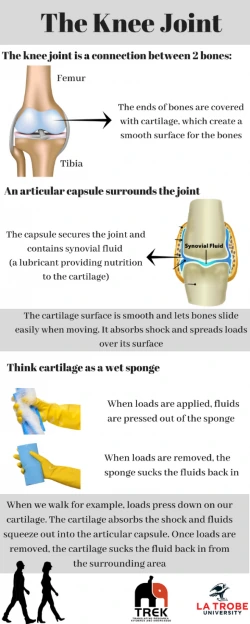
Osteoarthritis affects the whole joint, but mainly the articular cartilage at the ends of the bones, which becomes thin and fragile. That can be healthy cartilage exposed to heavy loads over a long period — years of heavy labour, say — or unhealthy cartilage that cannot handle normal loads.
It was once thought to be the wear and tear of ageing. We now know it results from the body's failed attempt to repair joint tissues damaged by abnormal loading, joint injury and obesity. It is an imbalance between the normal degeneration and regeneration of cartilage: when degeneration outpaces regeneration, the cartilage thins, cracks and may disappear, leaving the bones rubbing against each other.
How do we keep cartilage healthy?
Cartilage needs proper loading. Unlike most tissues, articular cartilage has no nerve or blood supply — its only nutrition comes through the synovial fluid in the joint.
Think of cartilage as a wet sponge. Squeeze it and the fluid pushes out; release it and the fluid is drawn back in. That is exactly how synovial fluid moves in and out of your cartilage, through loading and unloading the joint.
The newest recommendations for knee OA
The Osteoarthritis Research Society International published its most recent guidelines for the non-surgical management of knee OA.
Non-pharmacological options
These core treatments are safe and effective for most patients with knee OA, whatever other conditions they have:
- Arthritis education
- Structured land-based exercise programmes — strengthening, cardio, balance and neuromuscular exercise, or mind-body exercise including tai chi and yoga
- Dietary weight management alongside exercise

These are recommended for people with knee OA and no other conditions, for people with gastrointestinal or cardiovascular comorbidities, and for people with widespread pain disorders or depression:
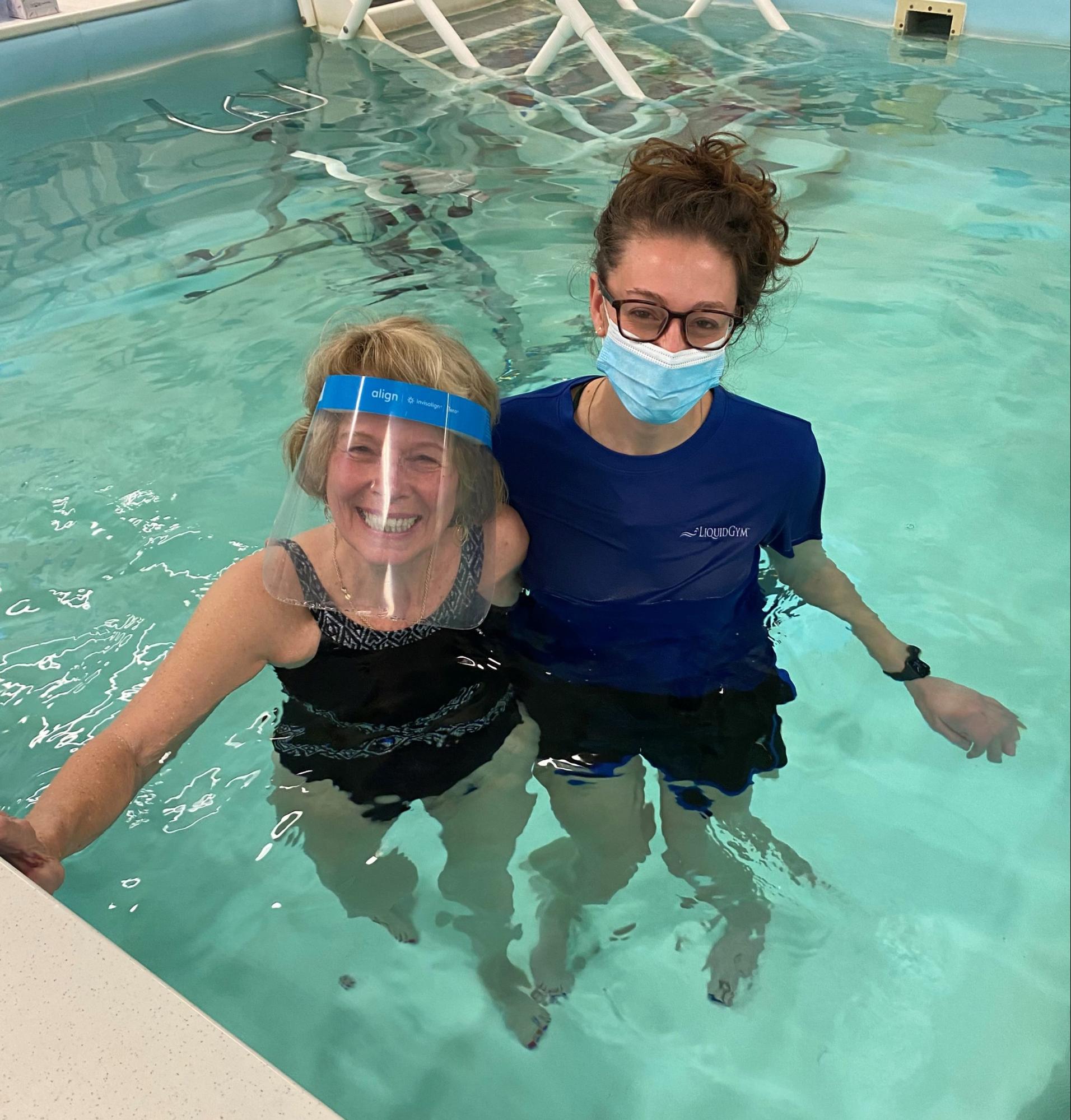
- Aquatic exercise
- Gait aids
- Cognitive behavioural therapy with an exercise component
- Self-management programmes
Pharmacological options
- Topical NSAIDs were strongly recommended for patients with no comorbidities, and also for those with gastrointestinal or cardiovascular comorbidities — adverse reactions were minimal and mild.
- Oral NSAIDs were conditionally recommended for people without comorbidities.
- Intra-articular corticosteroid injections were conditionally recommended for acute (one to two weeks) and short-term (four to six weeks) pain relief in all groups.
- Intra-articular hyaluronic acid injections were conditionally recommended in all groups for a longer-term effect, with symptom improvement beyond twelve weeks.
Note that not every pharmacological option is recommended for everyone. Check with your doctor before starting anything new.

Treatment options
There are a great many ways to manage knee OA that decrease pain, improve function and improve quality of life. If you would like help setting up an exercise programme, or simply want to understand your diagnosis better, our health professionals would be glad to help.
FAQ
What are the common symptoms of knee OA? Pain with weight bearing, stiffness, the leg feeling unstable or giving out, crunching or clicking noises, difficulty with stairs and hills, difficulty kneeling, squatting and getting up from sitting, and sometimes knock-knees or bowed legs.
What is a comorbidity? The simultaneous presence of two or more diseases or medical conditions in a patient.
What about hip OA? The recommendations for hip OA differ slightly.
Want help building an exercise programme around your knees? Call LiquidGym at 613-820-8228.
References
- Public Health Agency of Canada, “Osteoarthritis in Canada.”
- GLA:D Canada.
- GLA:D International infographics.
- “OARSI guidelines for the non-surgical management of knee, hip, and polyarticular osteoarthritis.” Osteoarthritis and Cartilage, volume 27, issue 11, November 2019, 1578–1589.
- Arthritis Society.