

Roughly one in three women and one in four men do not get enough physical activity. Strong evidence shows that inactivity raises the risk of coronary heart disease, type 2 diabetes, breast and colon cancer, and shortens life expectancy.
Here is what counts as physical activity, and what the World Health Organization currently recommends.
What counts as physical activity?

The WHO defines it as any bodily movement produced by skeletal muscles that requires energy expenditure. Which means essentially all movement counts — walking the dog, gardening, cleaning the house, as much as a structured exercise programme or a sport.
Why does it matter?
- It reduces the risk of hypertension, coronary heart disease, stroke, diabetes and certain cancers
- It improves muscular and cardiorespiratory fitness
- It improves bone and functional health
- It can reduce symptoms of anxiety and depression
- It helps maintain a healthy body weight
- It reduces the risk of falls in older adults
- It can improve cognitive health and sleep
How much do I actually need?
Between 18 and 64 years, aim for at least:
- 150 to 300 minutes of moderate-intensity aerobic activity, or
- 75 to 150 minutes of vigorous-intensity aerobic activity, or
- an equivalent combination of the two across the week
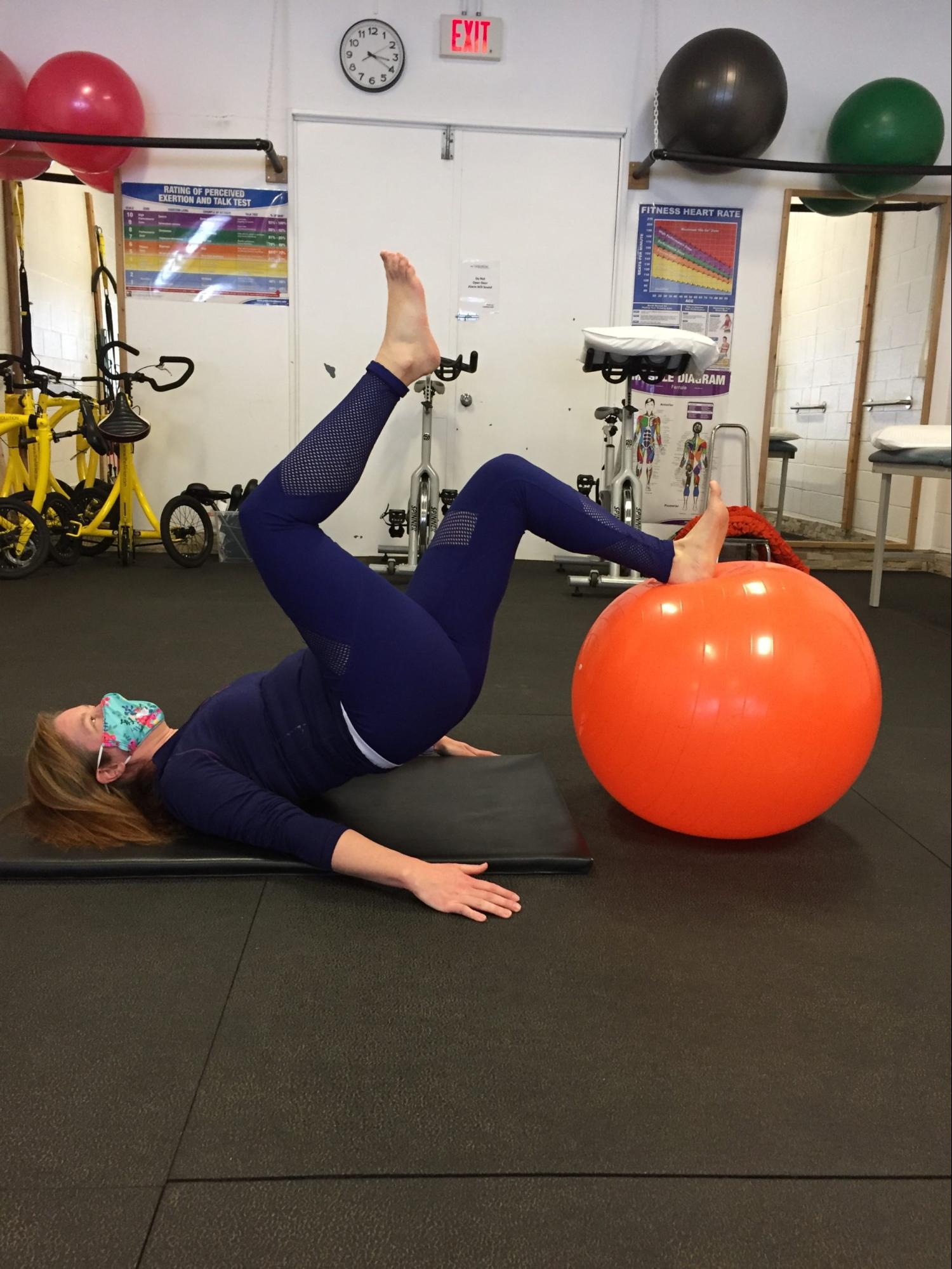
You should also do muscle-strengthening activity at moderate or greater intensity, involving all the major muscle groups, on two or more days a week.
The talk test
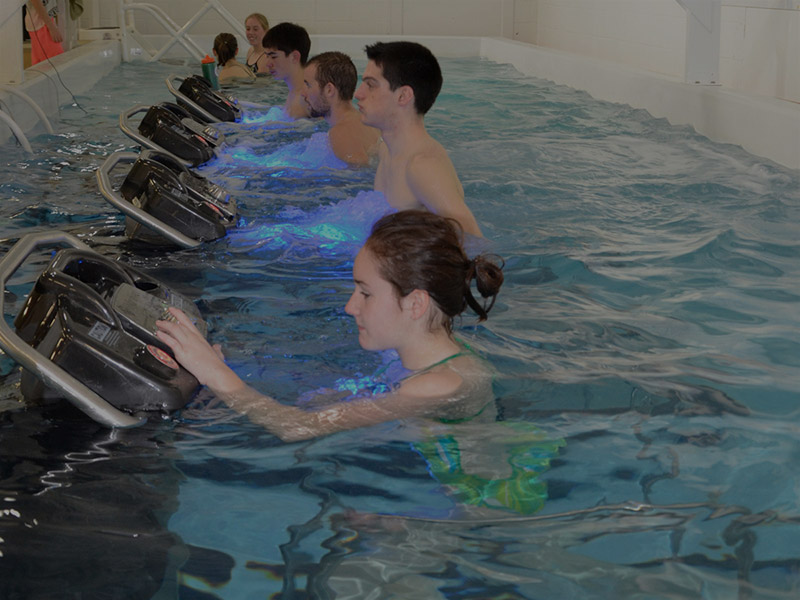
If you are unsure how hard you are working, use the talk test. At moderate intensity you can talk but not sing: brisk walking, biking on level ground, water aerobics, general gardening, doubles tennis, ballroom dancing.
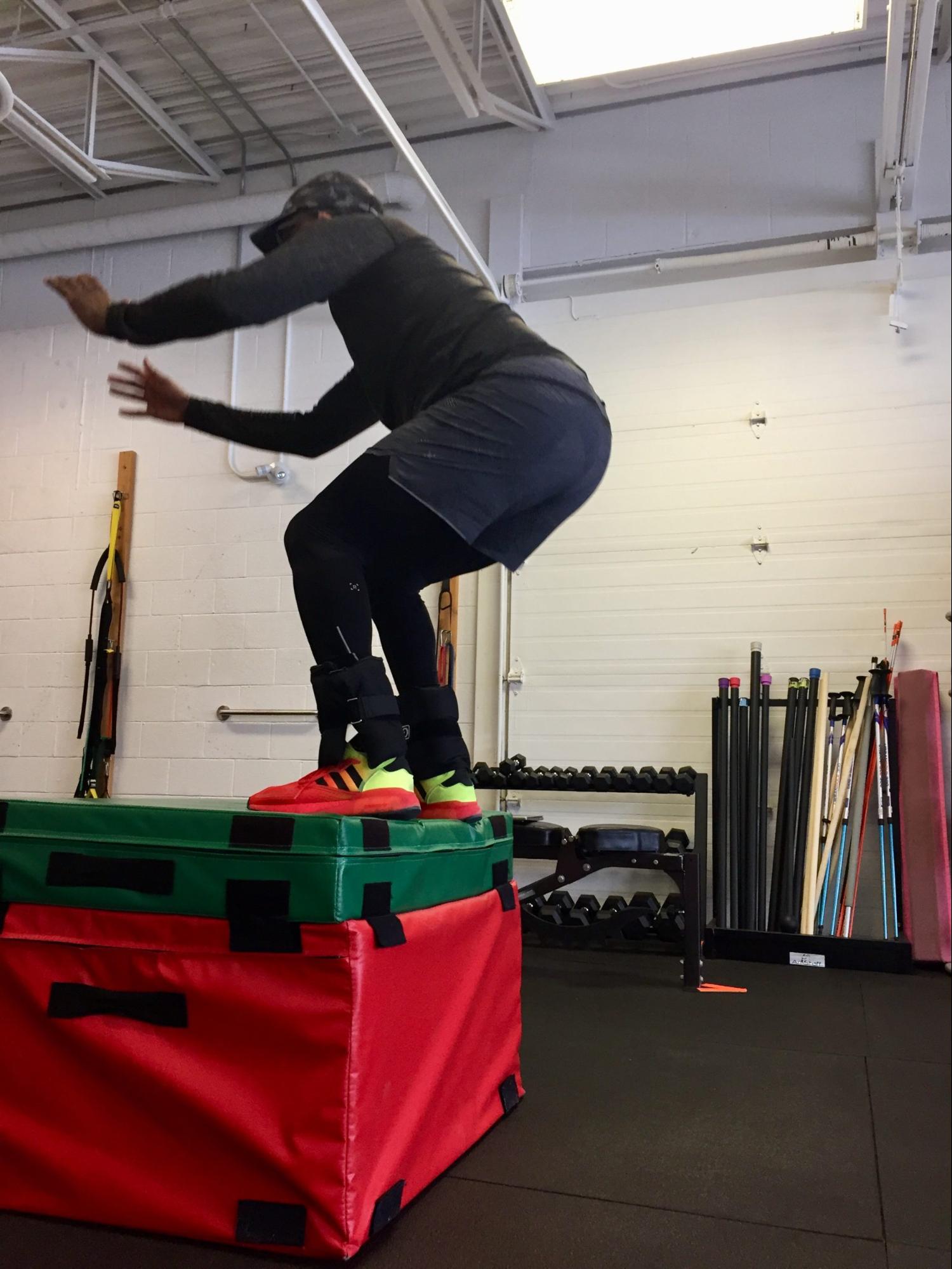
At vigorous intensity you cannot say more than a few words without pausing for breath: jogging or running, swimming laps, singles tennis, dancing, biking fast on hills, hiking uphill.
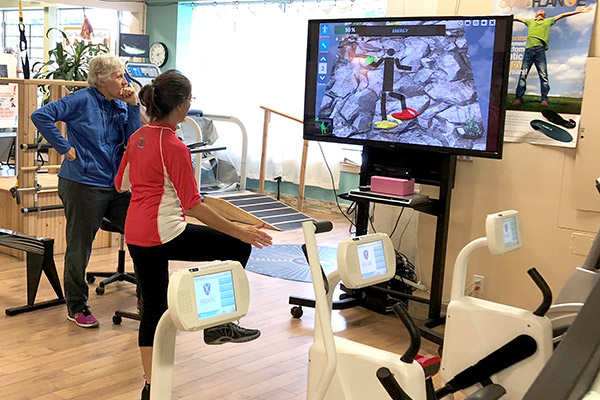
If you are 65 or older, part of your weekly activity should include balance and strength training, which also helps prevent falls.
Starting from where you are
If you are not meeting these recommendations yet, you are not expected to hit them straight away. Start with small amounts and gradually increase how often, how hard and for how long. Even a few minutes a day beats nothing.
- Find an activity you enjoy
- Set realistic goals
- Make a schedule and try to stick to it
- Find a workout buddy to keep you motivated
- Take the stairs instead of the lift
- Park further away at the grocery store for the extra steps
- Try an online exercise class
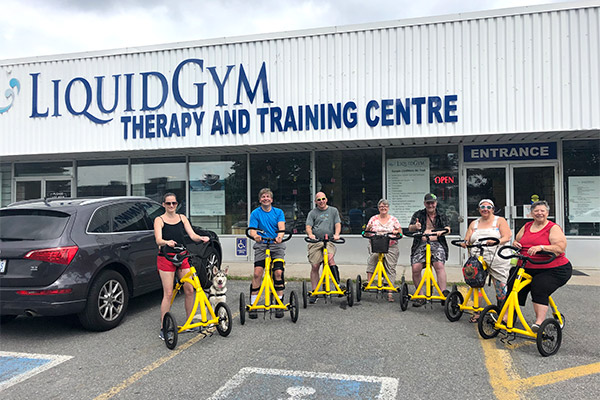

Exercise is medicine. Limit how long you spend sedentary where you can — replacing sedentary time with activity of any intensity brings health benefits.
FAQ
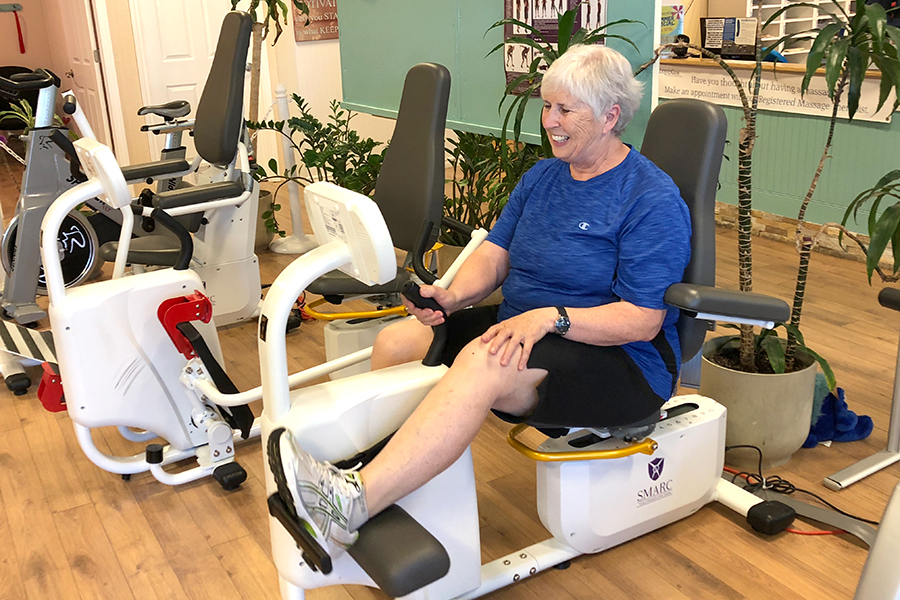
I have osteoarthritis in my hip or knee. What can I do that will not hurt more? Start with activities that reduce load on the joint, such as biking or swimming. Begin in small amounts and build the intensity and duration gradually. Any movement is better than none.
I have a chronic condition. How should I start? Consult your doctor, a physiotherapist or another health professional to work out the right amount of activity for your needs, ability and limitations. Depending on the condition you may need medical clearance first.
What about children? There are separate recommendations for children aged 5 to 17, and for pregnant and postpartum women, published by the World Health Organization.
Want help working out where to start? Call LiquidGym at 613-820-8228.
References
- World Health Organization, “Physical activity” fact sheet.
- Lee I-M. et al. “Impact of physical inactivity on the world's major non-communicable diseases.” The Lancet Physical Activity Series Working Group.
- WHO guidelines on physical activity and sedentary behaviour. Geneva: World Health Organization, 2020.
- Centers for Disease Control and Prevention, “Measuring physical activity intensity.”