

When you wake up in the morning, do you get a sharp pain in the heel of your foot? Does it radiate into the arch? Does it ease once you put shoes on, or as the day goes on? Does standing for hours make it worse?
What is plantar fasciitis?
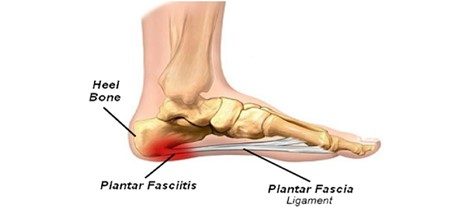
Plantar fasciitis is inflammation of the band of tissue — the plantar fascia — that runs from the heel to the toes. The tissue becomes overly tight, which causes inflammation and irritation, usually towards the inner side of the heel.
Why does it develop?
- Flat or high arches. The plantar fascia supports your arches and absorbs shock with every step. Unsupported arches mean more stress on the fascia.
- Weak glutes. Your glutes shape the position of your foot at every step. If they are not strong enough to rotate the hip outward, the lower leg rotates inward, the arch collapses, and the fascia takes the load.
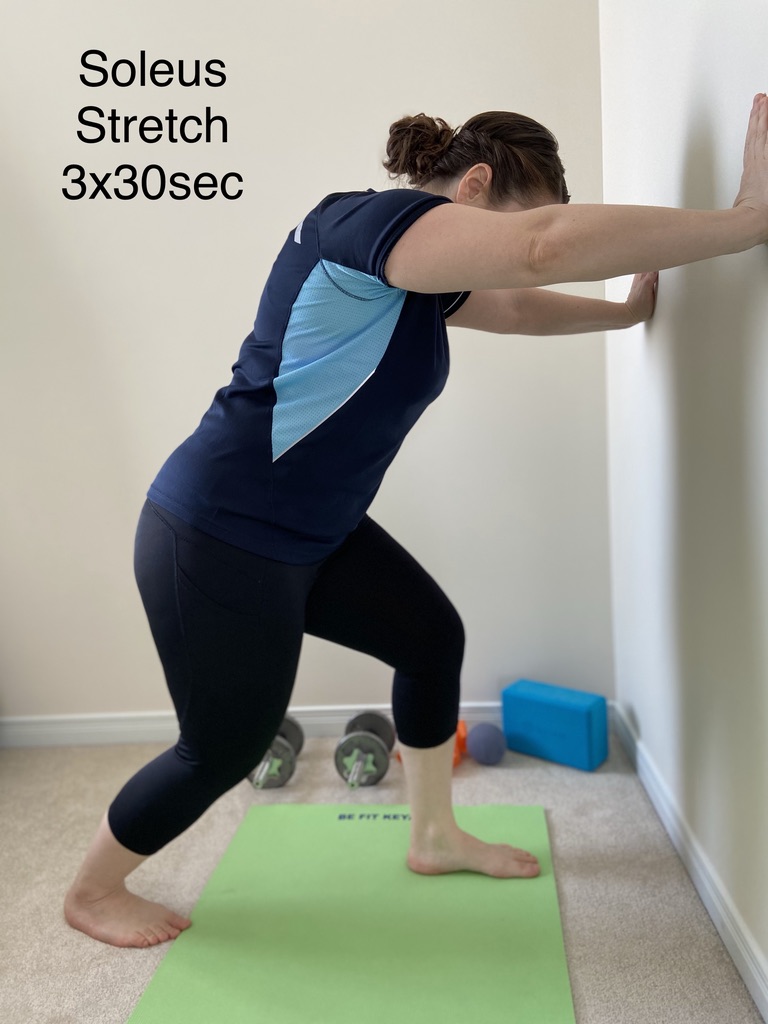
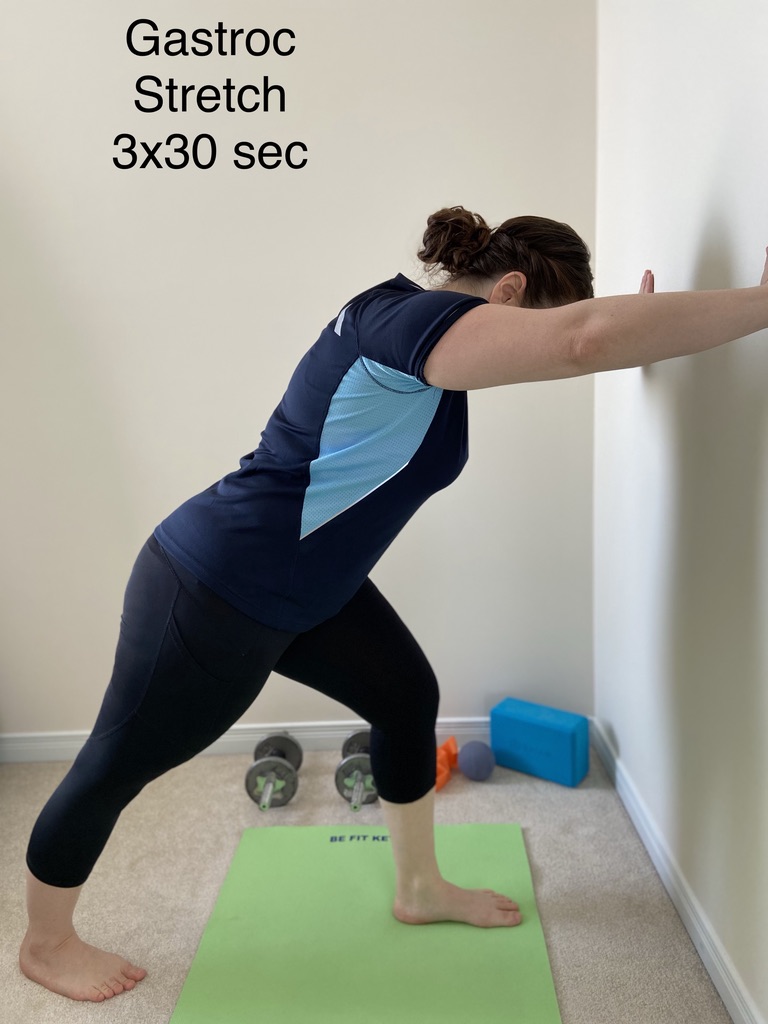
- Tight calf muscles. Tightness in the gastrocnemius, the soleus and the Achilles tendon all push stress down into the fascia — usually from overuse without enough stretching and rest.
- Weak foot muscles. The small intrinsic muscles of the foot stabilise the arches. Weak, they leave the arches struggling to absorb load, and the fascia under increased tension.
Treatment options
1. Stretching
A daily habit of stretching the calves and the plantar fascia may bring the symptoms down.
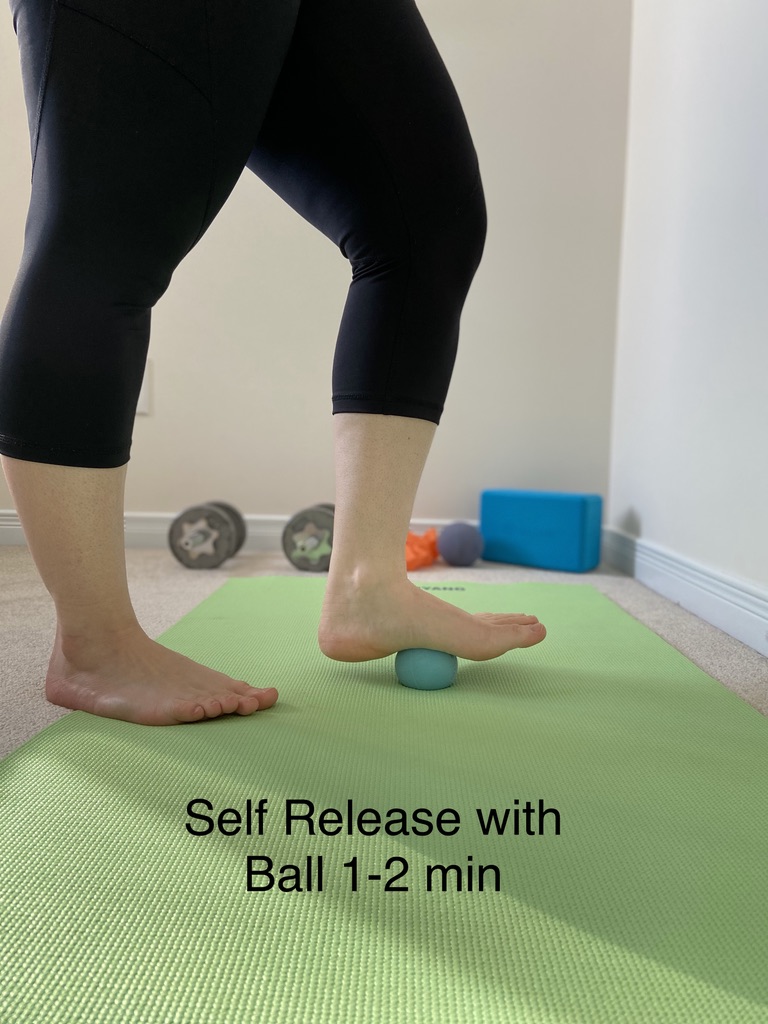
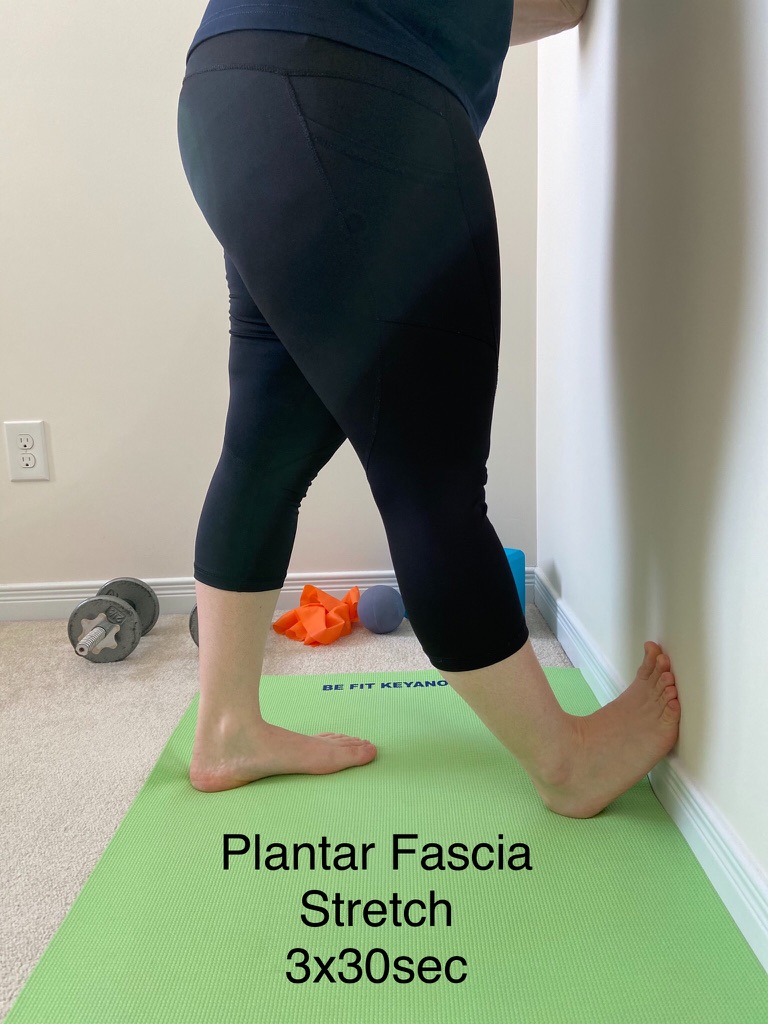
2. Glute and foot strengthening
Strengthening these two areas gives you the stability to hold proper alignment and mechanics while you are active.
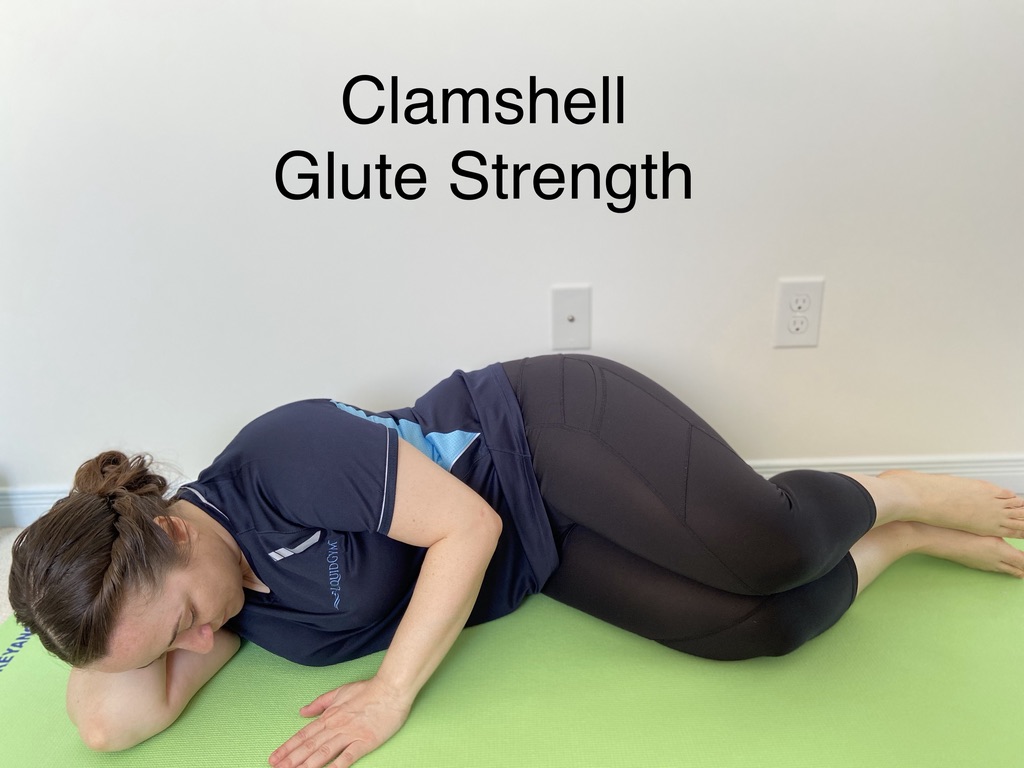
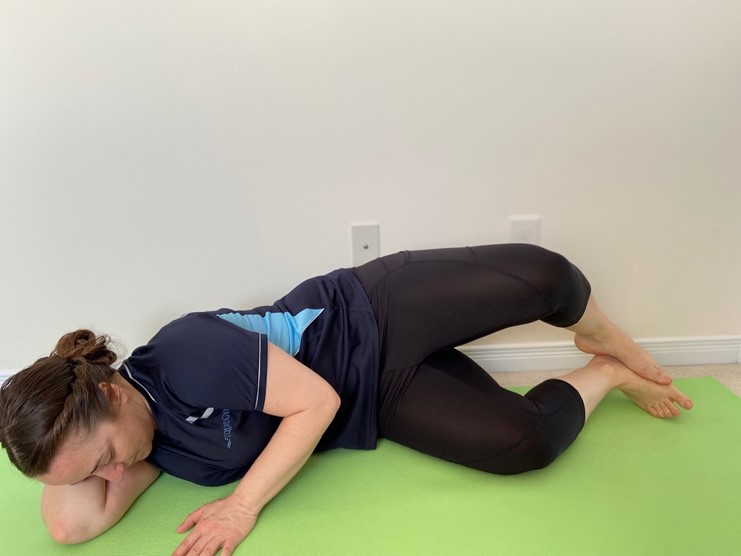
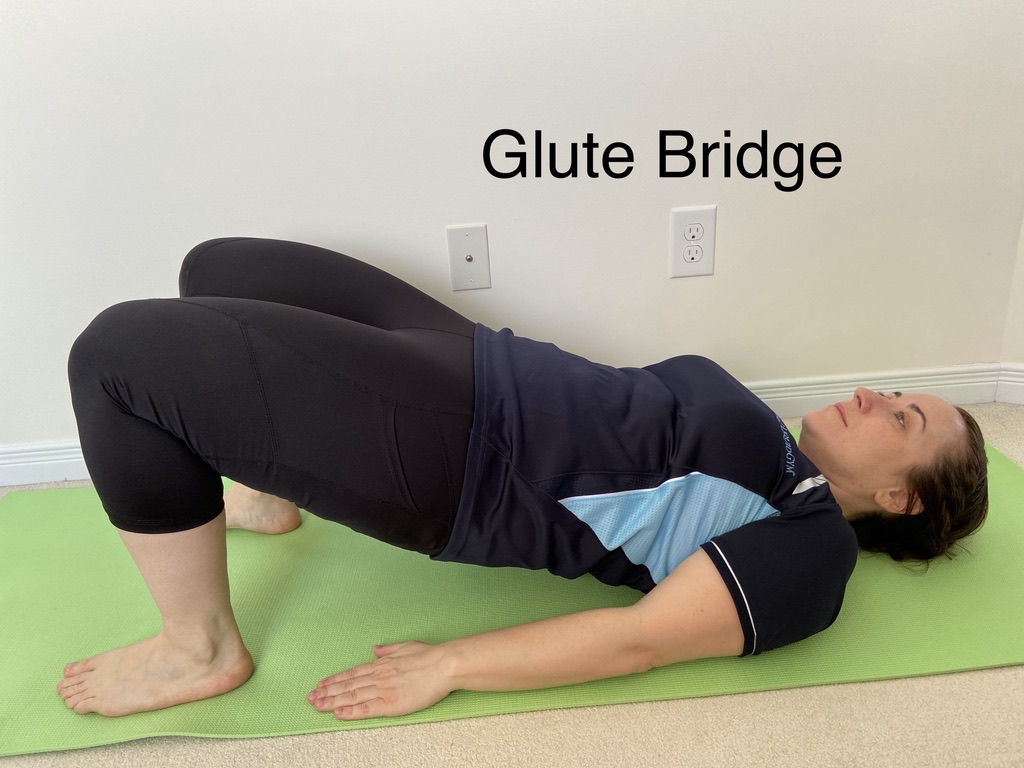
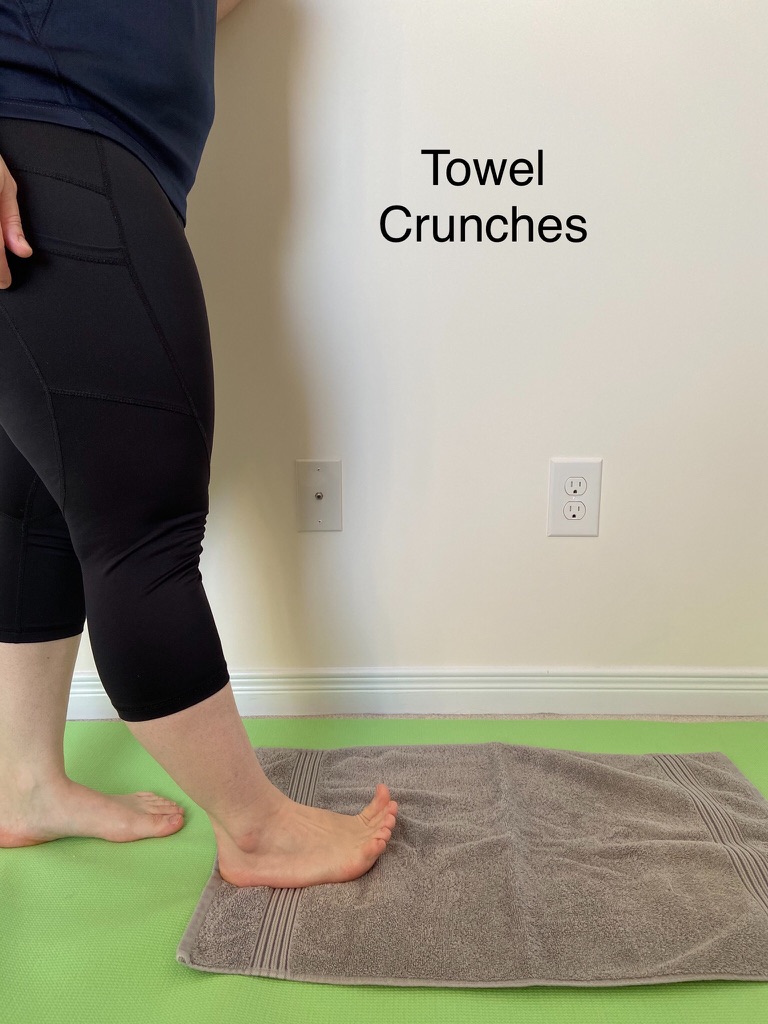
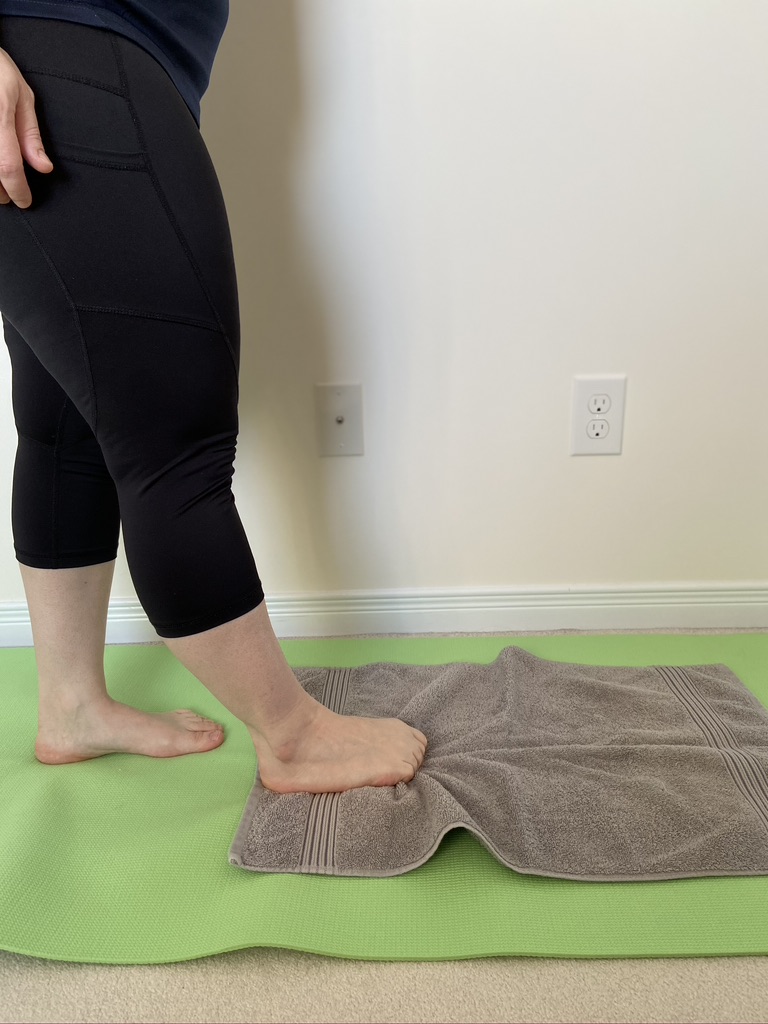
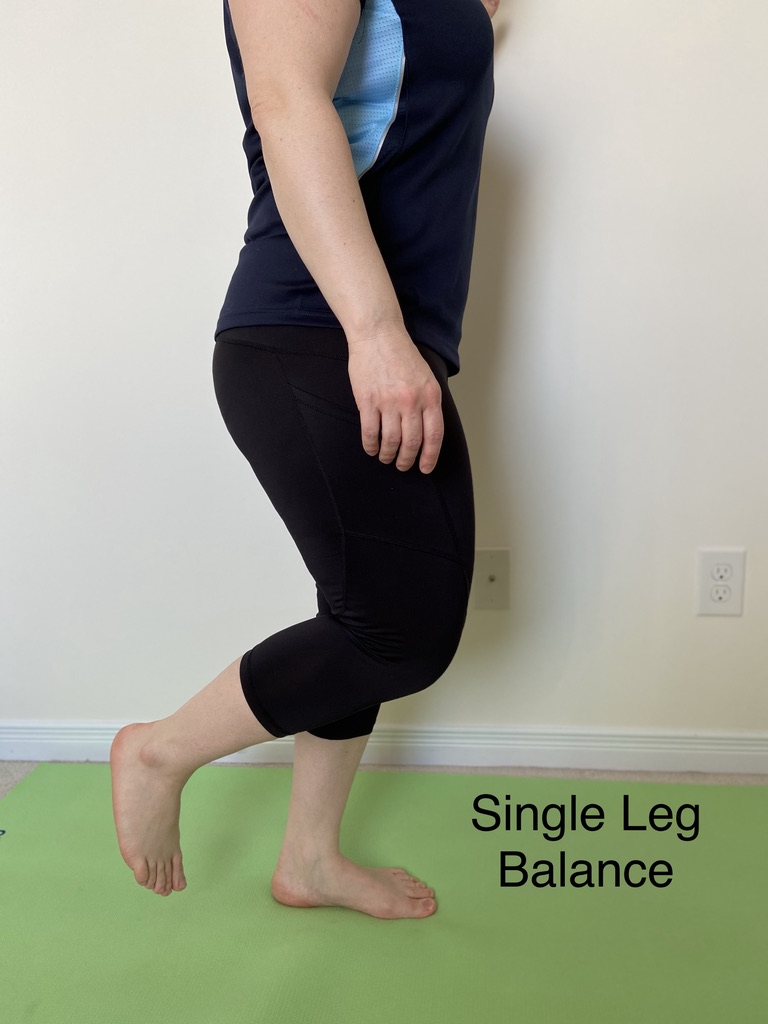
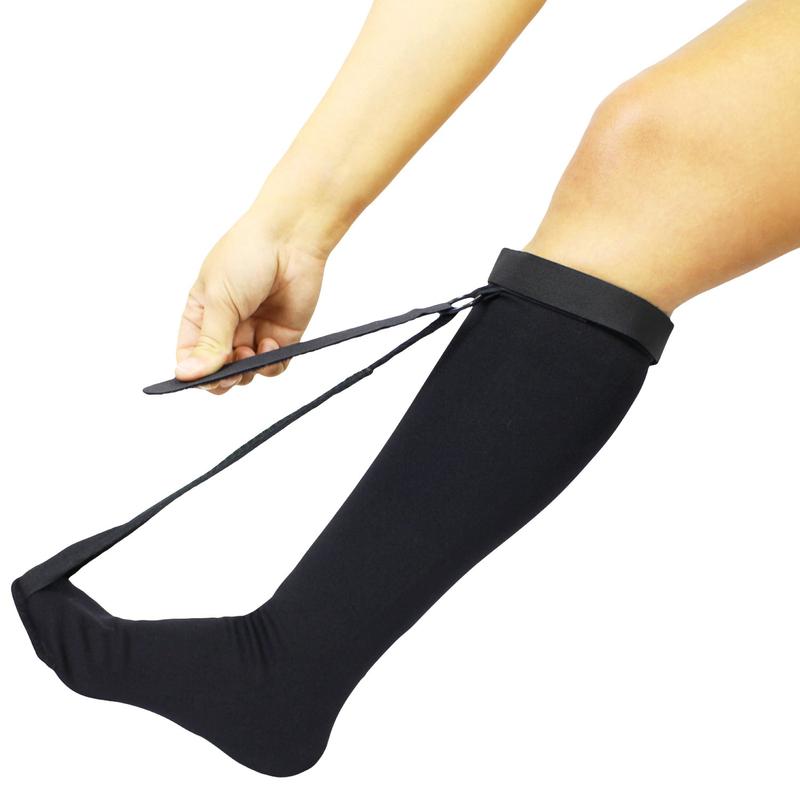
3. Strassburg sock
A form of night splint that holds the plantar fascia in a stretched position through the night.
4. Supportive footwear
Look for a thicker, well cushioned midsole and longitudinal arch support that controls the motion of the foot. Every foot is different, so try a few styles to find the right fit.
5. Rest
Give the area enough rest to let the inflammation and pain settle. Adjust your daily activities toward sitting where you can.
6. Orthotics
If there is a structural or functional weakness in your arches, orthotics may be needed. An assessment with a practitioner will tell you whether they are for you.
If you are unsure whether orthotics would help, there is a simple taping job you can do at home that mimics the support. If the tape brings relief, orthotics may be a solution.
Taping for plantar fasciitis, step by step
You will need a roll of kinesiology tape — an elastic adhesive tape sold in most pharmacies.
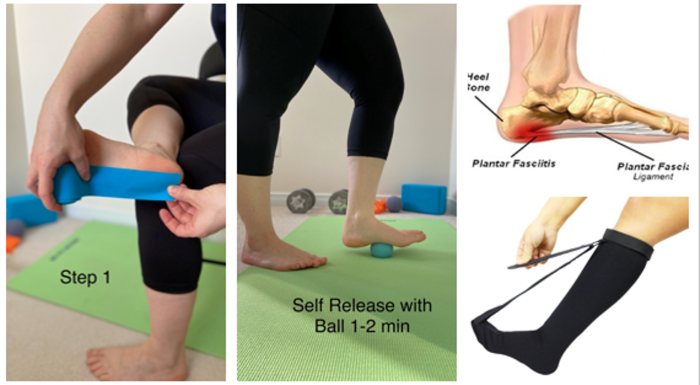
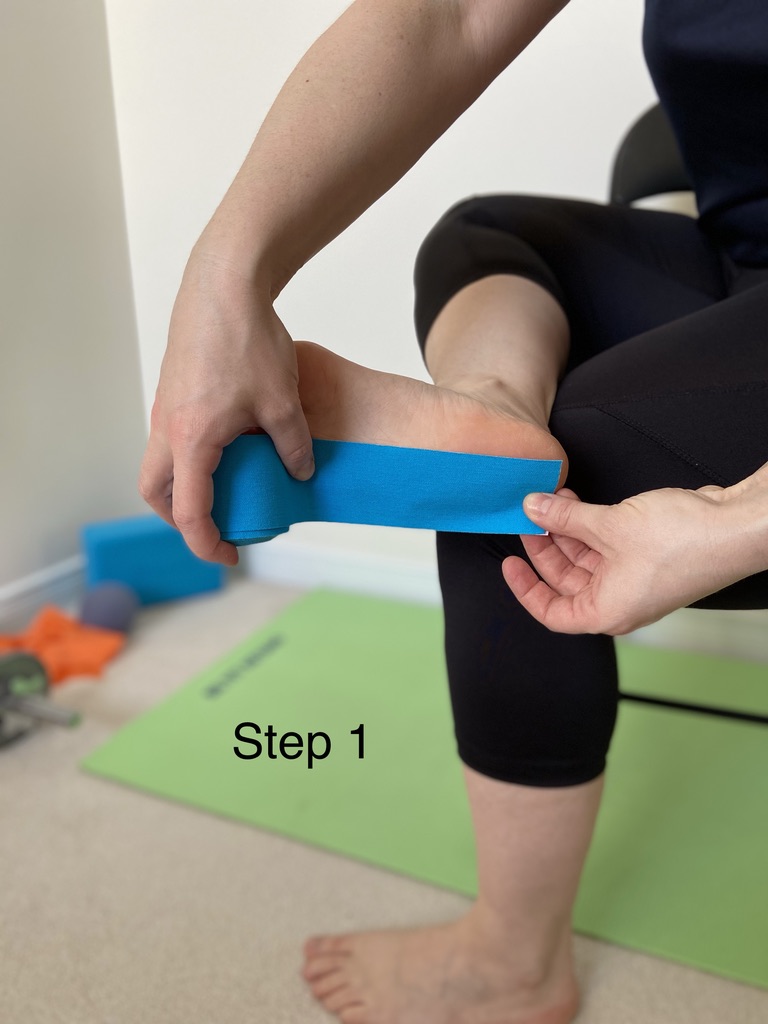
Step 1. Sitting with your foot resting on the opposite thigh, measure and cut a piece from the heel to the start of the ball of the foot.
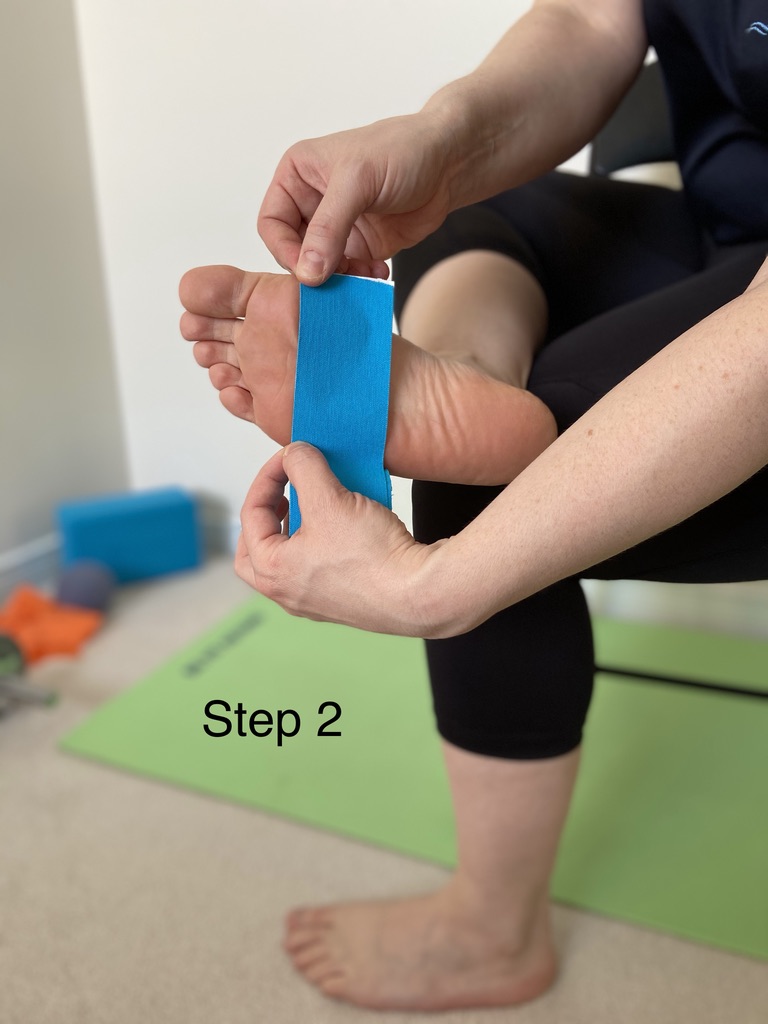
Step 2. Measure and cut two smaller pieces, each the width of the ball of your foot.
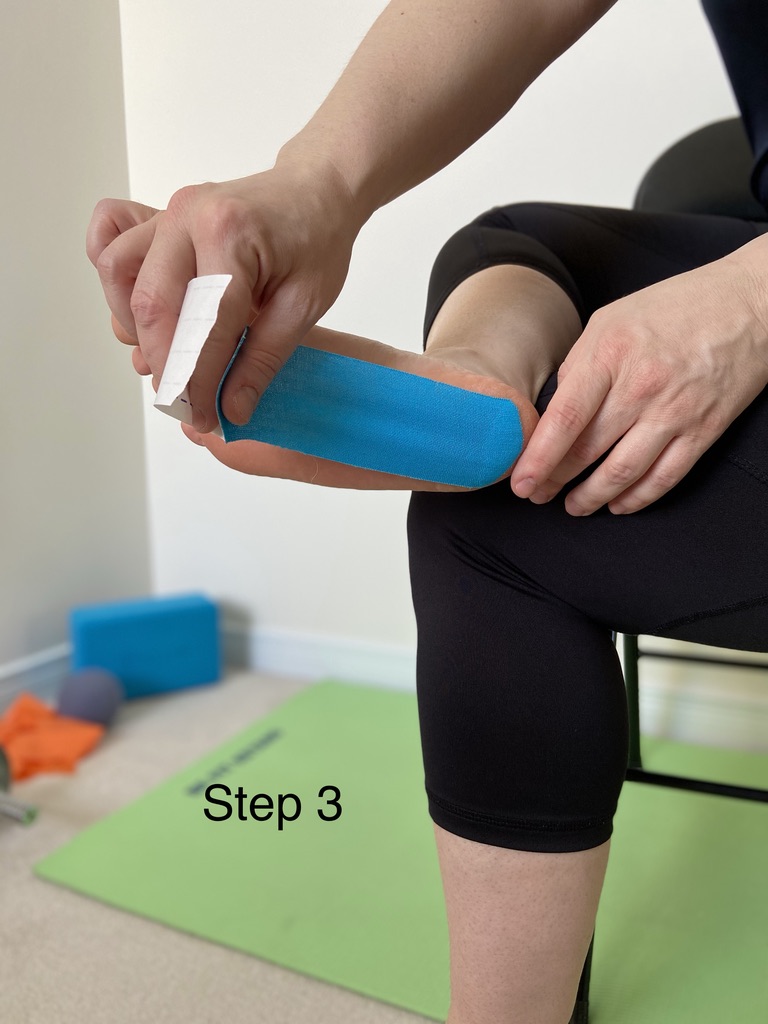
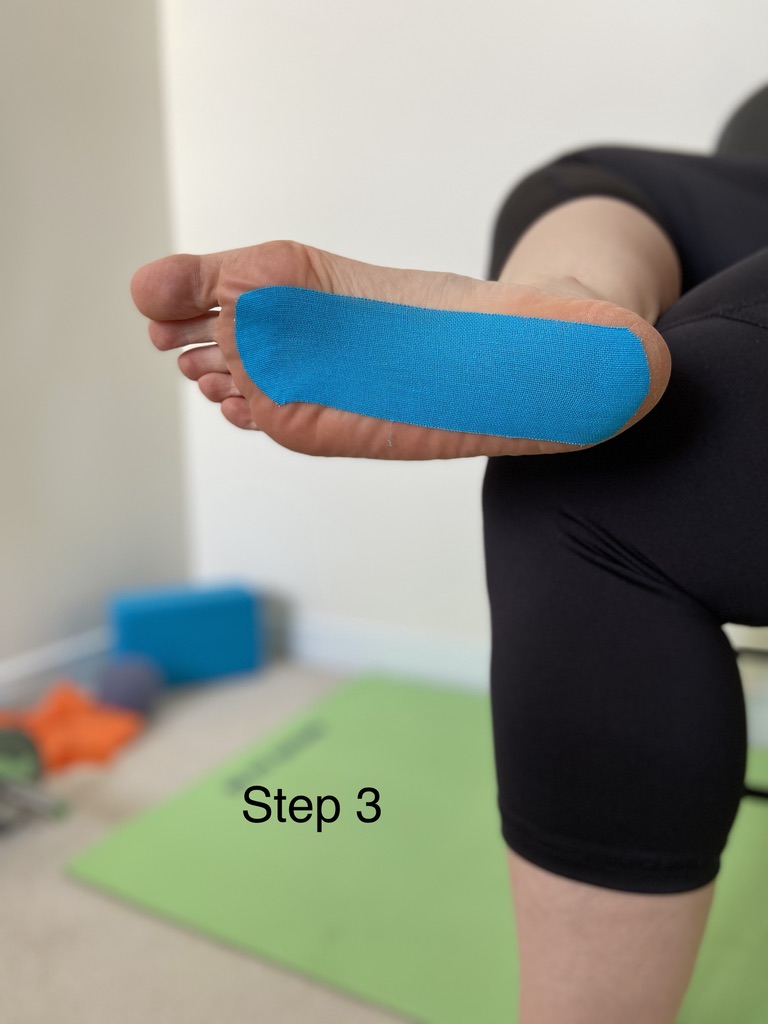
Step 3. Peel the backing off the long piece and anchor one end on the heel. Pull about 20% of the stretch out of the tape, lay it down finishing just below the toes, and smooth it on to warm the adhesive to the skin.
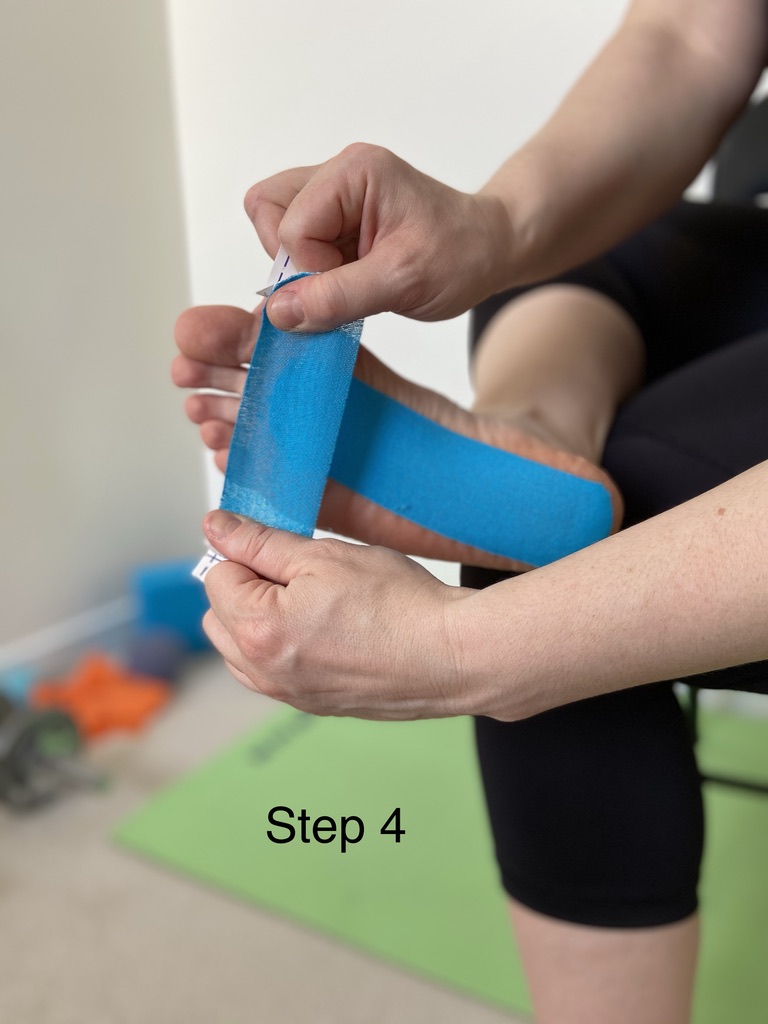
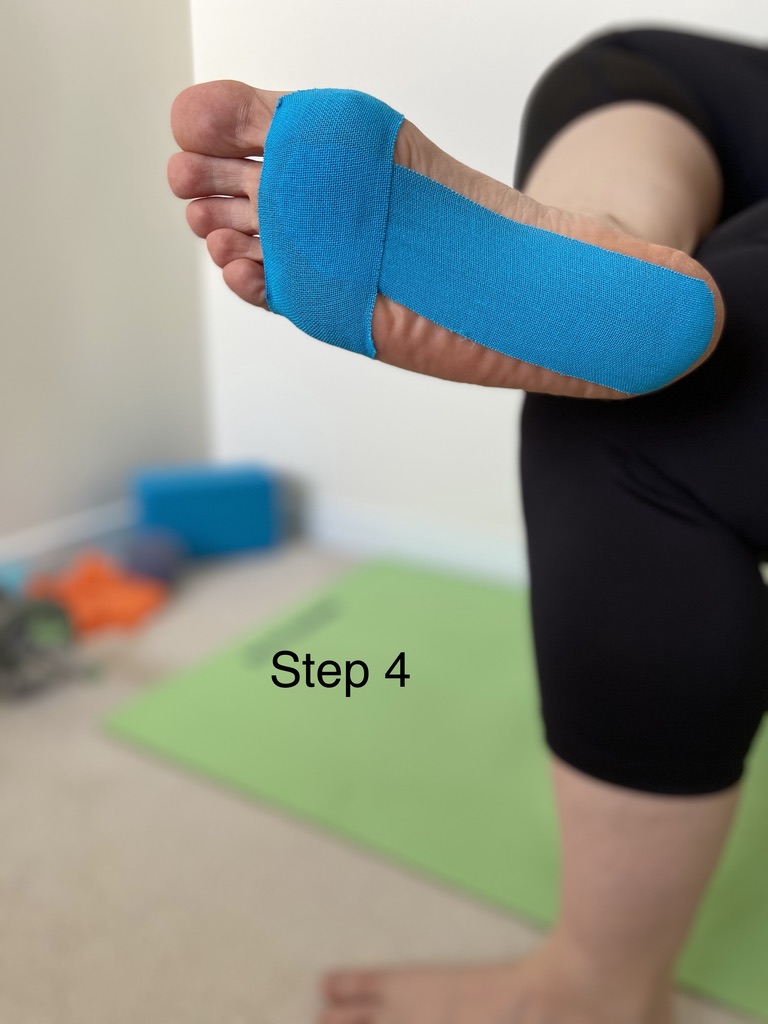
Step 4. Take one of the smaller pieces, pull all of the stretch out of it, and place it across the ball of the foot to anchor the long strip down.
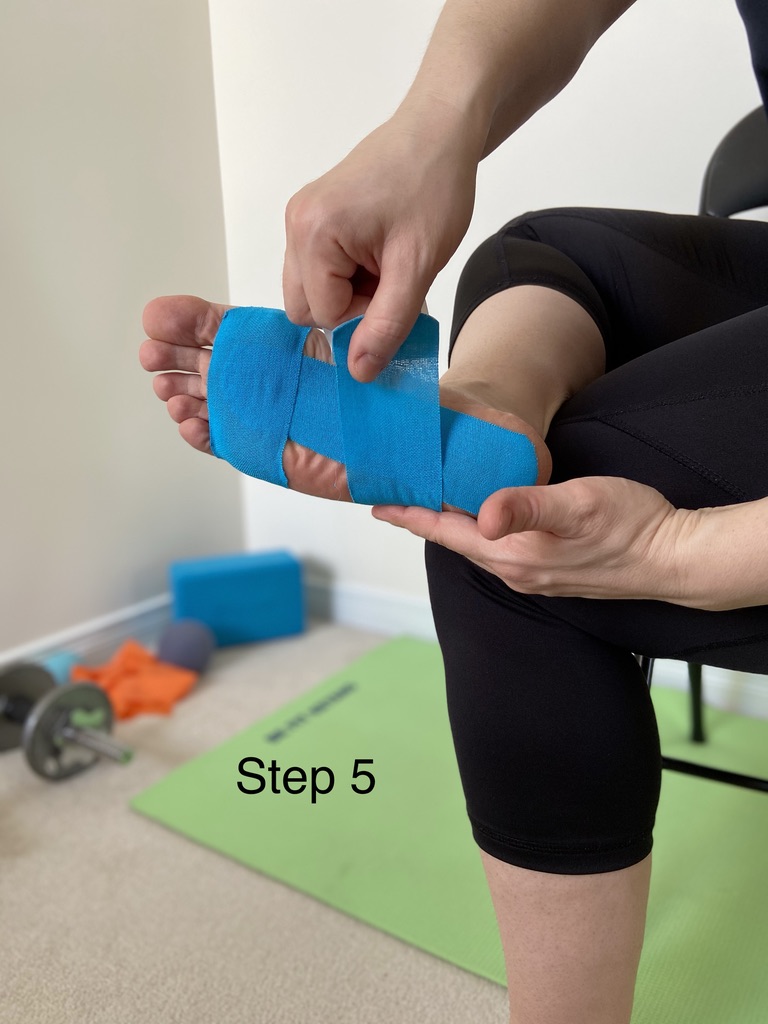
Step 5. Take the second small piece and put one end on the outside of the foot just below the heel. Pull all the stretch out, draw it across the sole while lifting, and finish on the inside of the foot.
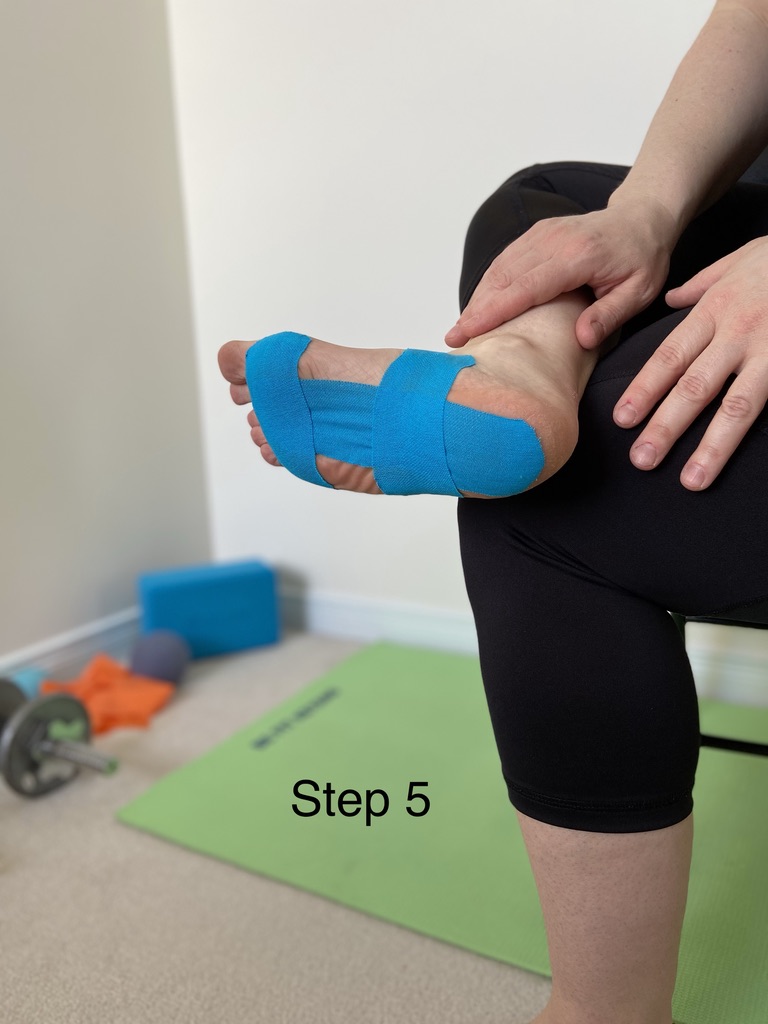
Step 6. Stand up and take a few steps to check it is comfortable. It should feel like the tape is hugging and lifting your arch.
The tape is waterproof and can be worn for a few days if it does not irritate the skin. If it does, take it off and wash the foot. Be careful pulling socks on and off, which can roll the tape.
All of the above are ways plantar fasciitis develops and can be treated. Make sure you understand how to do an exercise or a stretch properly before trying it, so you do not cause more pain, and always consult a practitioner if you are unsure whether something is right for you.
For a thorough look at why you have developed plantar fasciitis, or why it keeps coming back, book with one of our therapists. Call LiquidGym at 613-820-8228.
FAQ
Does ice help? Inflammation of the fascia is often the source of the pain, and icing may reduce it, easing the pain temporarily. One of the best methods is to freeze a water bottle and roll it along the sole of the foot.
Who is at risk? People who spend long hours on their feet on hard surfaces in unsupportive footwear. People with flat or high arches that are not adequately supported. People who run or walk several kilometres a day on hard surfaces, and people with very tight calves.
Are plantar fasciitis and heel spurs the same thing? No, though one can lead to the other. A heel spur is a build-up of calcium on the underside of the heel, which can irritate the fascia and inflame it. A spur can also develop out of chronic plantar fasciitis, from the constant pulling at the attachment. A proper diagnosis matters.