

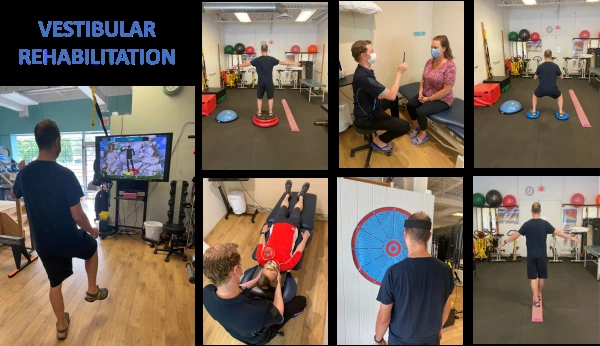
Has your doctor diagnosed a vestibular or inner ear disorder? There is a specific diagnosis and a vestibular rehabilitation protocol that can help you along the path to recovery.
This post covers what a vestibular condition is, what vestibular rehabilitation involves, what the process looks like, who diagnoses it, who treats it, and where to find a recognised practitioner.
What is a vestibular or inner ear condition?
Many people experience very real dizziness and balance disturbance because of a problem with how the balance system functions, rather than a structural vestibular or neurological disease. These symptoms go by many names, and are often described as functional disorders. They too can improve with vestibular rehabilitation.
Who can benefit?
People with inner ear disorders and with central, brain-based disorders can both be helped by vestibular rehabilitation. The evidence suggests an individualised exercise programme works better than a generic one.

What is vestibular rehabilitation?
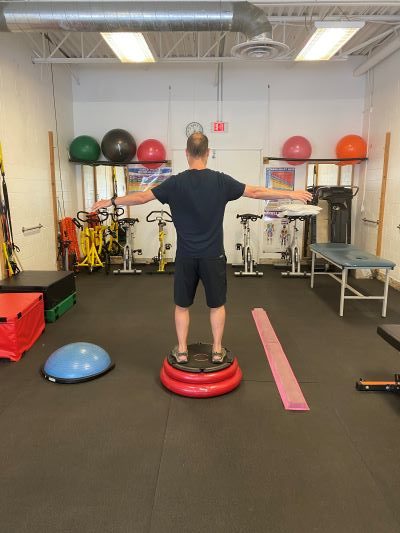
A set of exercises to treat dizziness and balance problems. It is a well established and widely accepted intervention for people with balance and inner ear disorders.
What affects recovery?
How much people improve depends on their diagnosis, whether they take medication, other health problems, motivation, family support and other psychological factors.
Who performs it?
Physiotherapists, occupational therapists and audiologists can all be trained in the treatment protocols. They are trained specifically in restoring function, balance and strength through exercise.
It matters a great deal that the person running the programme has knowledge and experience of treating vestibular disorders. A physiotherapist should have postgraduate training in vestibular rehabilitation before treating someone with it.
How do I access it?
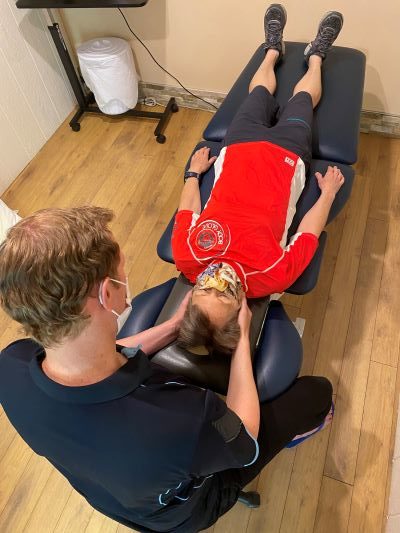
Not every physiotherapy clinic offers it, and availability depends on where you are. Most vestibular physiotherapists accept referrals from a family doctor, an ENT doctor or a neurologist; some clinics also accept self-referrals. Your family doctor can tell you what exists in your area.
From time to time the treating therapist may use their judgement about additional testing or a referral — usually to an ENT, a neurologist, an audiologist or another therapist.
What can I expect?
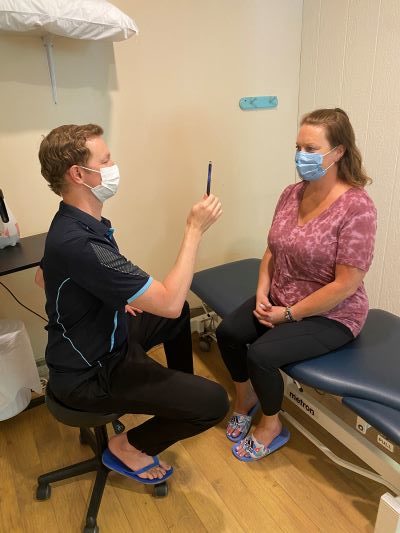
Most therapists start by taking a thorough history, considering how the condition began and how it has run; evaluating eye and head movements; and screening for benign paroxysmal positional vertigo. A comprehensive assessment of standing and walking balance follows.
The most common symptom of BPPV is dizziness — the feeling that the inside of your head, or your surroundings, are spinning. Vertigo, in other words.
From those findings your individual goals and expectations can be set, a home exercise programme built, and the number of visits estimated. Most of the improvement comes from doing the home exercise programme. At follow-up visits the physiotherapist may update it based on your symptoms and progress.
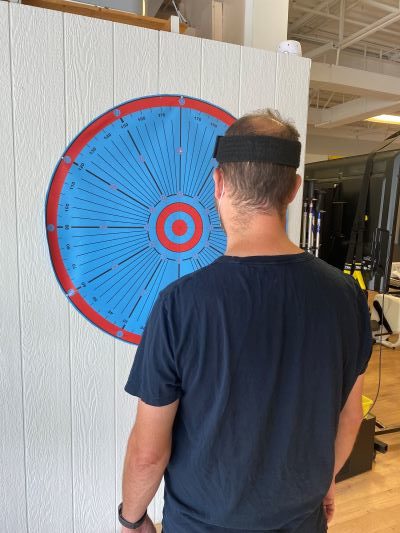
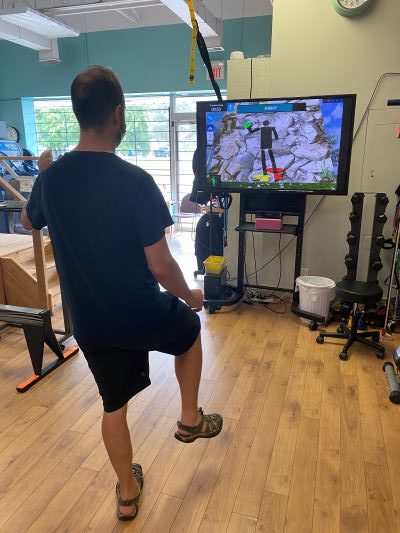
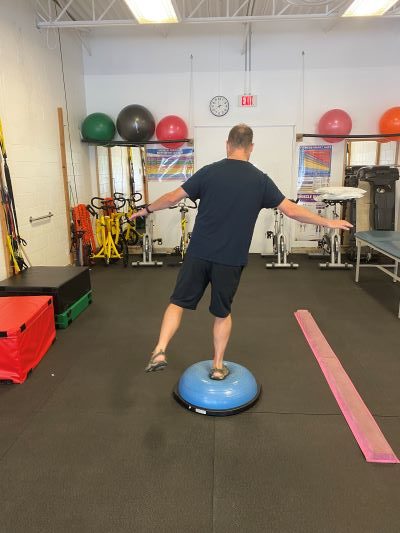
Sample exercises

How long does it take?
The frequency of visits varies, and a course can last anywhere from one or two weeks to several months. Appointments usually run between thirty minutes and an hour.
Your symptoms largely dictate how long the exercises last. You may feel more dizzy if the exercises prescribed are too advanced, so work with your physiotherapist to keep them appropriate to your condition and your stage of recovery.
If dizziness or balance problems are limiting your days, come and talk to us. Call LiquidGym at 613-820-8228.