

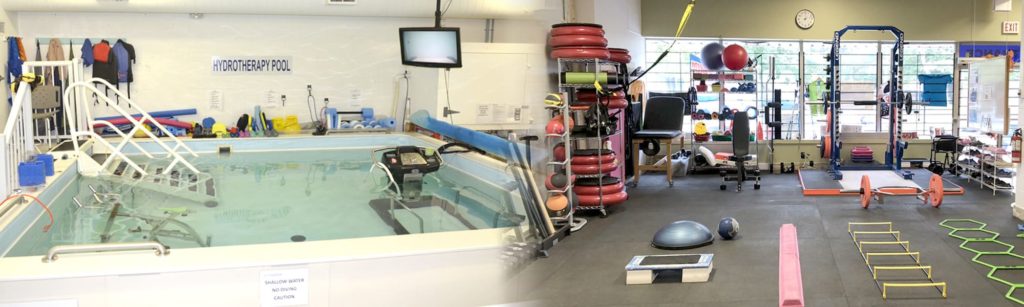
Here are some of the questions physiotherapists are asked most often — a look at the scope of the practice, and at the range of places you can find one.
What is physiotherapy?

The College of Physiotherapists of Ontario describes physiotherapists as health-care professionals who study the science of movement, injury prevention and rehabilitation. The goal is to restore, maintain and improve your function and overall well-being. A physiotherapist assesses and treats you while giving you the tools to be actively involved in your own recovery.
Where can you find a physiotherapist at work?
The Canadian Physiotherapy Association lists fourteen divisions, which give a sense of the colleagues a physiotherapist might work with and the skill sets they might have: acupuncture, animal rehab, cardiorespiratory, global health, leadership, neuroscience, oncology, orthopedics, pediatrics, pain science, private practice, seniors' health, sport and women's health.

What do physiotherapists treat?
- Muscle, joint and bone problems — ankle sprains, ligament tears, rotator cuff injuries, neck and back pain, osteoarthritis
- Cardiorespiratory conditions — COPD, asthma, vascular disease
- Neurological conditions — brain injuries, stroke, spinal cord injuries, multiple sclerosis
- Post-surgical care — after a spinal fusion, an ACL repair, a knee or hip replacement, an amputation
- Pelvic health — pre- and post-natal care and recovery
- Chronic pain
- Recovery after a car accident or a workplace injury
What treatment strategies do they use?
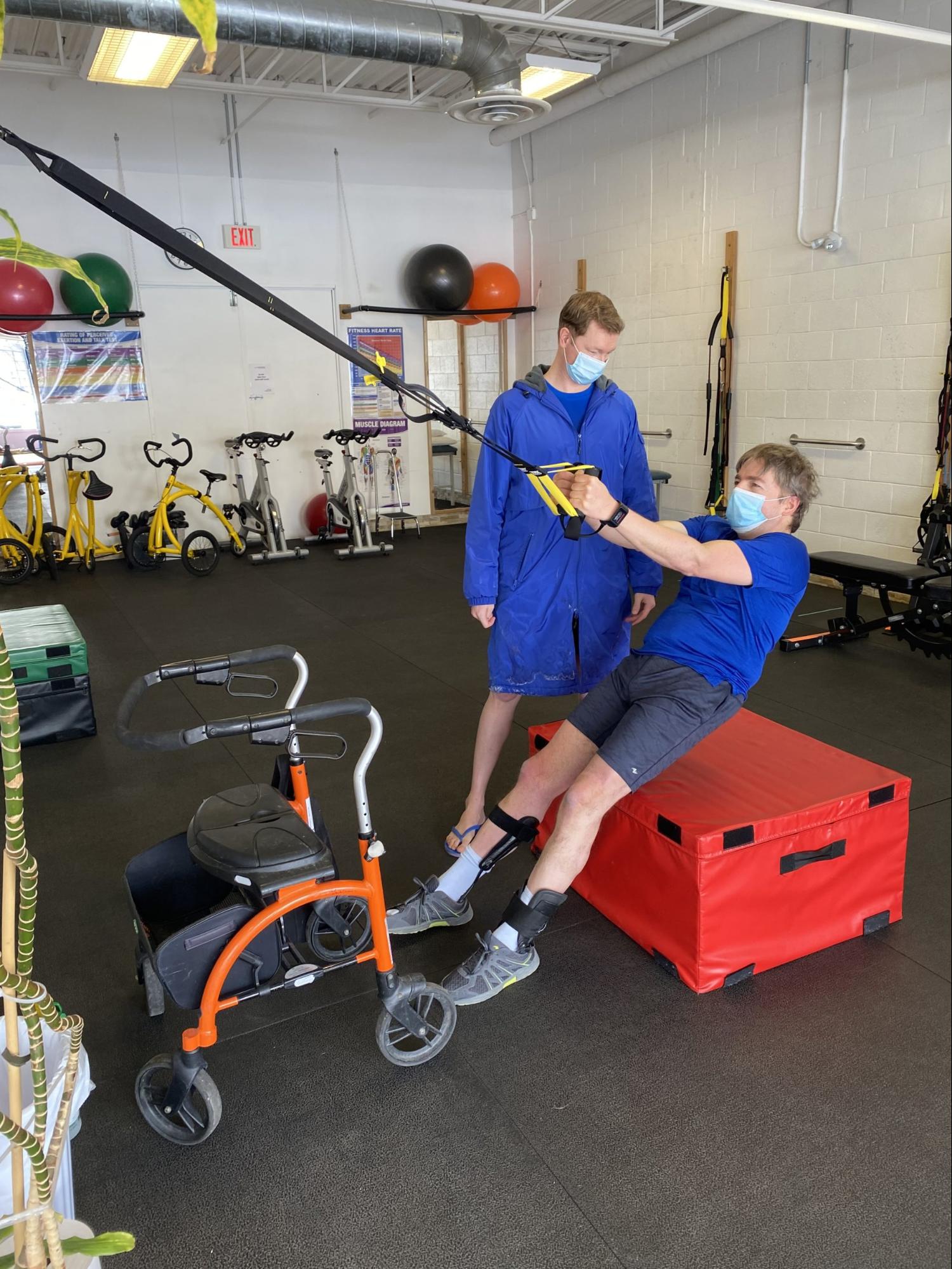
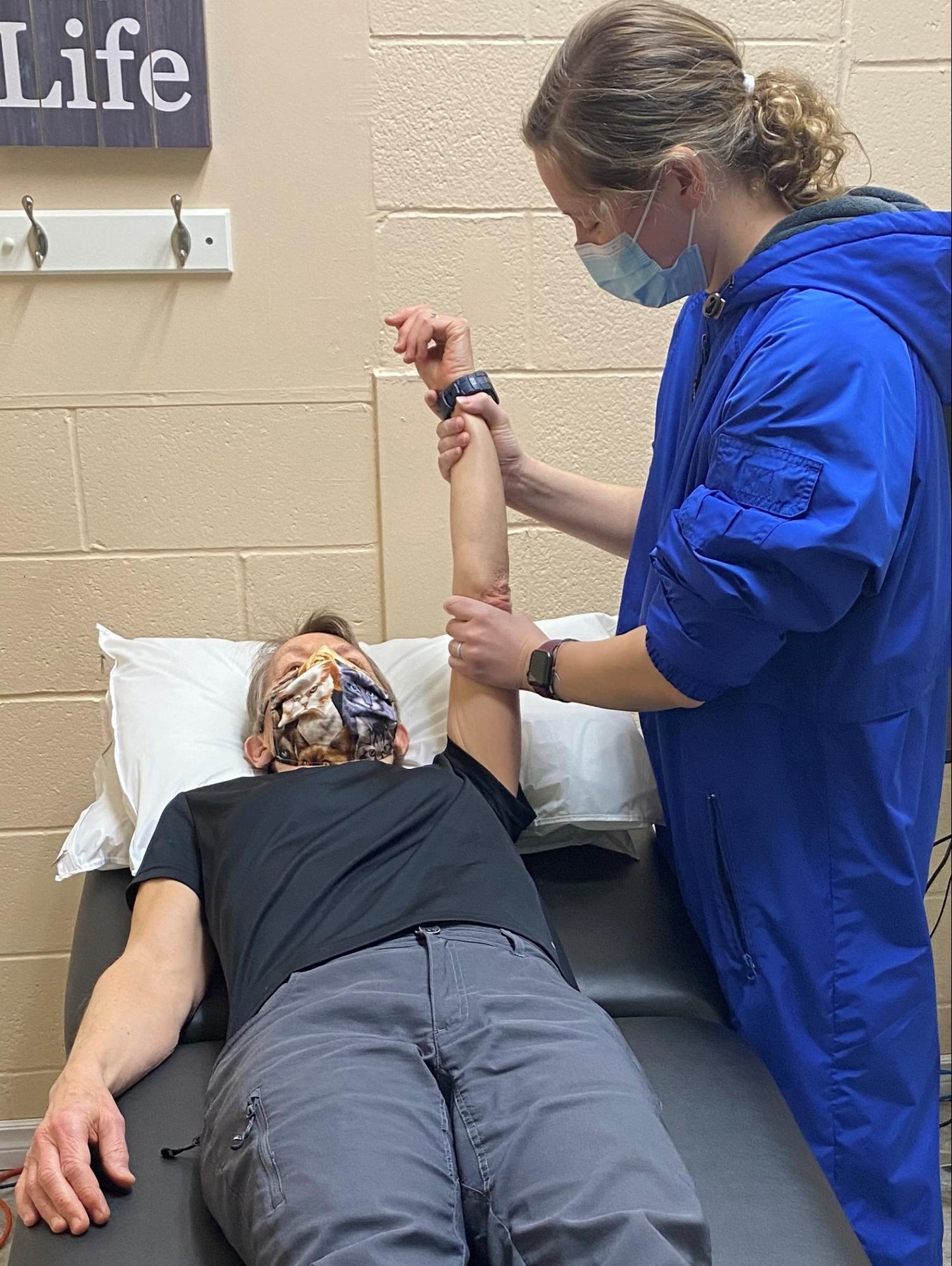
Physiotherapists have many tools. With every client they weigh the best evidence to determine the right recommendations for that condition, working within the scope of their own practice and skills: hydrotherapy and aquatic therapy, dryland therapy, manual therapy, patient education, gait training, exercise programmes, functional training, acupuncture and dry needling.



FAQ
Do I need a physician's referral? No. Physiotherapists are primary health-care professionals, so you can see one directly. Some extended health insurance plans do require a referral before they will reimburse the cost, though.
What happens at my first session? Your physiotherapist will obtain your informed consent for assessment and treatment; take a detailed medical and injury history; assess you using range of motion, strength, special joint tests, neurological testing, gait analysis and functional movement screening; discuss a treatment plan that may include exercise, education and hands-on treatment; and help you set goals tailored to what you hope to achieve. Each physiotherapist assesses slightly differently, depending on their expertise and your injury.
How long will it take to get better? It depends — on how long ago the injury happened, how severe it is, your age, any other medical conditions, and how actively you take part in your own rehabilitation. Your session may last half an hour to an hour a week. Worth considering: what will you be doing during the other twenty-three?
Thinking about seeing a physiotherapist? Call LiquidGym at 613-820-8228.
References
- Canadian Physiotherapy Association, “Divisions — branches, divisions & assemblies.”
- College of Physiotherapists of Ontario, “What is physiotherapy?”